
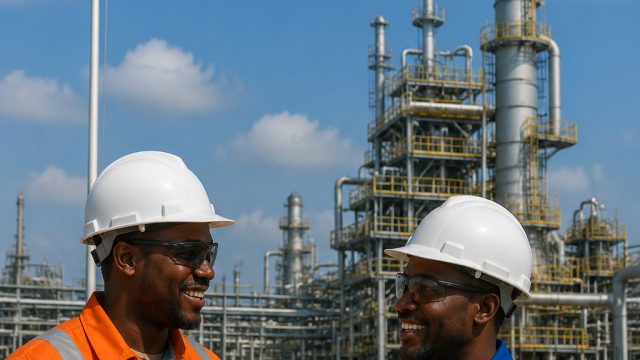
As the Nigerian gas sector continues its transformative journey, the Train 7 project is making headlines by nearing a remarkable 90% completion. This flagship initiative is not only set to expand the capacity of the Nigeria Liquefied Natural Gas (NLNG) facility but also promises to create approximately 16,000 jobs, significantly impacting the local economy and enhancing value addition in the region.
The Significance of Train 7 in Nigeria's Energy Landscape
The completion of Train 7 is pivotal for several reasons. Firstly, it symbolizes a major advancement in Nigeria’s commitment to harnessing its natural gas resources effectively. By augmenting the production capacity, the project positions Nigeria as a competitive player in the global gas market. Moreover, this endeavor aligns with the Nigerian Content Development and Monitoring Board (NCDMB)'s mandate to promote local participation in the oil and gas industry, facilitating sustainable economic growth.
Job Creation and Economic Impact
The anticipated 16,000 jobs generated from Train 7 are a significant boon for the local workforce. These positions will span various sectors, providing opportunities in engineering, construction, and support services. The ripple effect of such job creation will not only reduce unemployment rates but also foster economic stability in the region.
- Direct Employment: Thousands of skilled and unskilled labor positions.
- Indirect Opportunities: Increased demand for local service providers.
- Community Development: Enhanced infrastructure and social amenities.
Enhancing Local Content Through Collaboration
Collaboration between the NCDMB and NLNG strengthens the local content framework, ensuring that a significant portion of the project's inputs are sourced within Nigeria. This strategy not only promotes the development of local industries but also encourages the transfer of technology and skills necessary for the growth of the local workforce.
Key Partnerships Driving Local Content
The partnership between these two organizations has led to various initiatives aimed at boosting local content. Some noteworthy aspects include:
- Training Programs: Skill development initiatives for local workers.
- Local Procurement: Prioritizing local suppliers and manufacturers.
- Research Collaborations: Engaging local universities for technology development.
Looking Towards the Future: What Comes Next?
As Train 7 approaches its final stages, all eyes are on the operational phase that follows its completion. The project’s success will set a benchmark for future gas projects in Nigeria and across Africa. The implications for the local economy could be monumental, providing a template for sustainable development and economic diversification.
Challenges Ahead
While the prospects are promising, challenges remain. Ensuring that the local workforce is adequately trained to meet industry demands is crucial. Additionally, navigating regulatory frameworks and maintaining environmental responsibilities will be vital as production begins.
Conclusion: A New Dawn for Nigeria's Gas Sector
The nearing completion of Train 7 is more than just a milestone; it represents a new era for Nigeria's gas industry. By fostering collaboration, enhancing local content, and creating thousands of jobs, this project is set to contribute significantly to the nation’s economic landscape. As stakeholders prepare for the operational phase, the potential benefits for Nigeria's economy and its people are substantial, promising a brighter future in the energy sector.
