
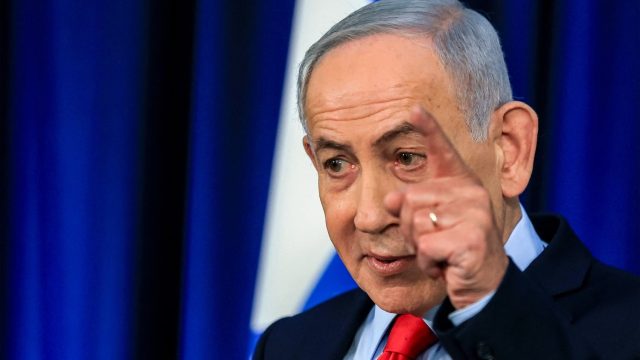
Key Takeaways
- Netanyahu's political tactics often capitalize on security issues.
- Rising tensions in the region may influence voter sentiment.
- Security crises historically impact election outcomes in Israel.
- The public's perception of safety is crucial for Netanyahu's success.
- Current geopolitical dynamics could reshape voter priorities.
Understanding Netanyahu's Approach to Security
In the turbulent landscape of Israeli politics, Prime Minister Benjamin Netanyahu's electoral strategy has frequently involved responding to security threats. As the nation gears up for the upcoming elections, speculation arises regarding whether Netanyahu might engineer a security crisis to galvanize support among constituents who prioritize safety. This tactic, while controversial, has precedent within his political career.
Historical Context of Security and Elections
Israel has a complex history where security issues often overshadow domestic policies during elections. Notably, past electoral cycles have demonstrated that heightened security tensions can sharply influence voter behavior. In 2015, for example, Netanyahu's focus on external threats was pivotal in his reelection campaign, appealing to the electorate's fears of instability.
Current Geopolitical Landscape
The current geopolitical landscape, marked by potential escalations in the Gaza Strip and tensions in the West Bank, serves as a backdrop to Netanyahu's electoral strategy. Analysts suggest that if hostilities increase, Netanyahu might position himself as the unwavering leader capable of protecting Israeli interests. This perception could sway undecided voters towards his camp, especially amid broader regional uncertainties.
Public Sentiment and Safety Concerns
Public sentiment towards security is a critical component of Netanyahu's political calculus. Recent polls indicate that a significant portion of the Israeli electorate prioritizes security over other concerns, such as the economy or social issues. As such, the narrative surrounding safety can become a powerful tool in shaping electoral outcomes.
The Southeast Asian Perspective
Interestingly, the implications of security dynamics in Israel resonate beyond its borders, especially in regions like Southeast Asia. The complex geopolitical implications of Middle Eastern security can influence how countries in ASEAN, including Indonesia, perceive stability in their own regions. Factors like trade relations, diplomatic ties, and cultural exchanges hinge on the overall security climate.
Impacts on Indonesia's Political Landscape
In countries such as Indonesia, where public opinion may align with security concerns, the political dynamics in Israel can create ripples. Given Indonesia's sizable population and its significant role in ASEAN, any notable shifts in Israeli politics could affect bilateral relationships, especially in trade and cultural contexts.
Conclusion: The Future of Netanyahu and Israeli Politics
As the elections draw near, it is essential to recognize the profound impact of security crises on Netanyahu's political strategy. While leveraging security concerns can provide short-term benefits, the long-term consequences for Israeli democracy are more complex. The intersection of domestic politics and international perceptions, particularly from regions like Southeast Asia, underscores the interconnectedness of global affairs today. As voters weigh their options, the outcome will depend not only on Netanyahu's handling of security but also on the electorate's broader priorities.
