
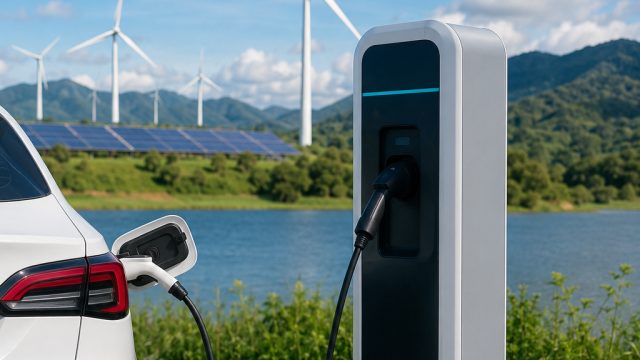
In an era where climate change is a pressing global issue, local communities are stepping up to the plate, playing an essential role in the advancement of renewable energy. As we see an increasing demand for sustainable solutions, the grassroots movements across nations are proving that local action can lead to significant impact. This article examines how local initiatives are fostering a new wave of energy growth and what it means for the future.
The Importance of Local Action
Local initiatives are vital in the renewable energy sector, acting as a catalyst for innovation and progress. Communities that prioritize sustainability are not just improving their immediate environments; they are setting a precedent for larger, global efforts. By engaging residents, local governments, and businesses, these initiatives are creating a collaborative approach that enhances the adoption of renewable methods.
Empowering Communities
Community-driven projects empower individuals to take ownership of their energy consumption and production. This empowerment can manifest in various forms, including:
- Community Solar Projects: Groups of residents collaborate to invest in solar panels, sharing the generated energy and the benefits it brings.
- Local Wind Farms: By establishing small wind farms, rural communities can generate their own electricity, reducing reliance on traditional power sources.
- Energy Efficiency Programs: Local governments initiate programs to help residents improve energy efficiency in homes and businesses, often subsidizing upgrades.
Case Studies of Success
Examining successful local initiatives can provide valuable insights into how these movements can be replicated in other areas. Here are some notable examples:
Green Spaces in Urban Areas
Many cities are integrating green spaces equipped with solar panels and wind turbines. For instance, a project in San Francisco has transformed underutilized parks into energy-generating hubs, producing clean energy while providing recreational space for residents.
Community-Based Energy Cooperatives
Cooperatives have emerged as a powerful model for local energy generation. One prominent example is the Cooperative Energy Company in the Midwest, which allows locals to purchase shares in renewable energy projects, thereby ensuring that profits are reinvested back into the community.
The Role of Technology in Local Initiatives
The integration of technology has been a game-changer for local energy initiatives. From smart grids to energy management software, technology aids in optimizing energy usage and enhancing connectivity among community members.
Smart Grids and Their Advantages
Smart grids enable efficient energy distribution by allowing real-time data analysis, which helps manage supply and demand effectively. Key benefits include:
- Improved Reliability: Reduces outages and enhances service delivery.
- Cost Savings: Minimizes energy waste, translating to lower costs for consumers.
- Encourages Renewable Integration: Supports the incorporation of various renewable sources into the grid.
Innovative Funding Solutions
Innovative funding mechanisms such as crowdfunding and government grants have emerged to support these initiatives. Local governments are increasingly looking for ways to finance renewable energy projects without putting additional burdens on taxpayers.
Challenges and Future Directions
While the momentum for renewable energy at the local level is a positive sign, several challenges remain. Issues such as regulatory hurdles, funding limitations, and public awareness need to be addressed to further enhance these initiatives.
Regulatory Hurdles
Local projects often face complex regulations that can slow down implementation. Streamlining these processes will be crucial in helping communities transition quicker to renewable energy sources.
Increasing Community Awareness
Raising awareness about the benefits of renewable energy is essential. Community workshops, social media campaigns, and partnerships with local organizations can help inform and engage residents.
Conclusion
The push for renewable energy is not just a top-down initiative; it is rooted in local action and community engagement. As more cities and towns embrace sustainability, the renewable energy landscape will continue to evolve and flourish. It's clear that the combined efforts of individuals, businesses, and governments can create a powerful movement toward a cleaner, more sustainable future. The time for local initiatives to shine is now, and their impact will resonate for generations to come.
