
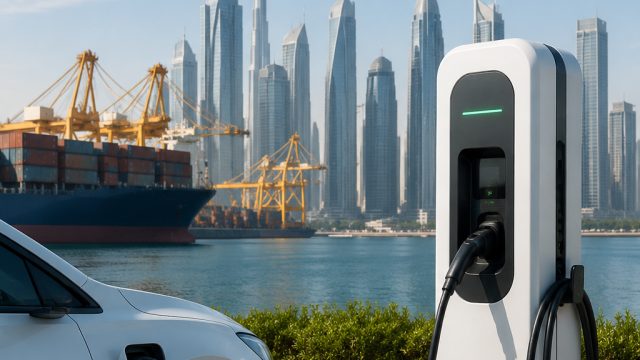
The Gulf region has long been a focal point for global trade, but recent trends indicate that its strategic location is increasingly pivotal in reshaping investment decisions across Asia. As businesses seek to establish a foothold in this economically vibrant area, understanding the implications of these developments is essential for both investors and stakeholders in the region.
The Gulf's Geopolitical Advantage
Situated at the crossroads of Europe, Asia, and Africa, the Gulf region benefits from unparalleled access to significant markets. This geographical positioning serves multiple purposes:
- Trade Links: The Gulf's extensive network of ports facilitates swift shipping routes, enhancing trade efficiency.
- Market Access: Companies can easily reach major consumer markets in Asia and beyond.
- Investment Hubs: The Gulf cities are evolving into investment hubs, attracting a variety of sectors including technology, healthcare, and renewable energy.
Shifting Economic Dynamics in Asia
As the Asian economy continues to expand, the Gulf's role as a key player grows more pronounced. Factors contributing to this shift include:
1. Economic Diversification
Countries in the Gulf, particularly Saudi Arabia and the UAE, are diversifying their economies beyond oil dependence. Initiatives such as Saudi Vision 2030 aim to boost non-oil sectors, inviting foreign investments and creating numerous opportunities.
2. Emerging Markets
With emerging markets in Asia rapidly growing, there’s a significant demand for infrastructure development. The Gulf region’s established construction and investment capabilities provide crucial support in fulfilling these needs.
3. Political Stability
Relative political stability in the Gulf compared to other regions enhances its attractiveness as an investment destination. This stability, coupled with favorable regulatory frameworks, encourages foreign direct investment (FDI) to flourish.
Implications for Asian Investors
The Gulf region is offering a plethora of opportunities that Asian investors should not overlook. Key implications include:
- Diverse Investment Opportunities: From real estate to technological innovation, the Gulf presents diverse avenues for investment.
- Partnerships and Collaborations: Establishing partnerships with local firms can enhance market entry strategies.
- Access to Resources: Investors can benefit from the region’s rich natural resources and skilled workforce.
Looking Ahead: The Future of Gulf-Asian Investments
With ongoing projects like the NEOM city in Saudi Arabia and the expansion of Dubai into a global tech hub, the future looks bright for Gulf-Asian investments. As these initiatives progress, they will likely attract even more investment from Asian countries eager to capitalize on the evolving landscape.
How to Prepare for Investment
For Asian investors looking to tap into Gulf opportunities, here are actionable insights:
- Research the Market: Understand the local market dynamics and industry trends.
- Networking: Build connections with local business leaders and government officials.
- Regulatory Awareness: Keep abreast of changes in investment laws and regulations.
Conclusion
The Gulf region's strategic location is undeniably reshaping the investment landscape in Asia. As businesses look to establish a robust presence in this economically vital area, the potential for growth and collaboration between Gulf and Asian markets is immense. Understanding these dynamics is crucial for any investor aiming to seize the opportunities presented by this rapidly evolving region.
