
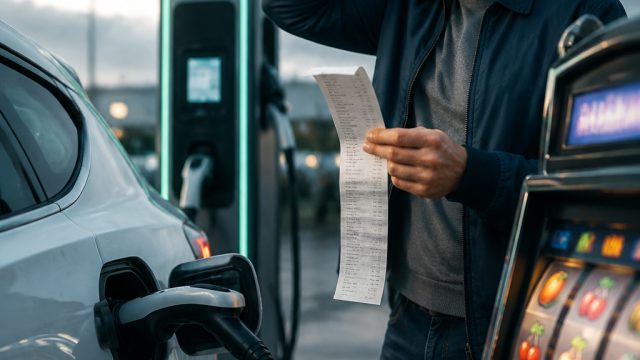
The landscape of electric vehicle ownership is rapidly evolving, and recent trends indicate that the cost of charging an electric vehicle (EV) is beginning to mirror that of traditional petrol and diesel fuels. As more drivers make the switch to electric, understanding the implications of these pricing changes is crucial.
Current Pricing Trends in EV Charging
Recent reports show that the price of electricity at public charging stations has surged. According to various energy analysts, the average cost to charge an electric vehicle has increased significantly over the past few months, aligning more closely with conventional fuel prices. This shift is bringing a new set of challenges for electric vehicle owners and prospective buyers.
Comparative Costs: EV Charging vs. Fossil Fuels
- Charging Costs: For many, the promise of lower fueling costs was a major selling point for electric vehicles. However, recent spikes in electricity prices at charging stations are challenging this narrative.
- Fueling Flexibility: While traditional fuel prices can vary widely, the increasing cost of public charging stations is making it harder for EV owners to predict their monthly expenses.
- Home Charging vs. Public Charging: Home charging still remains more economical for most EV users, yet the gap between home charging rates and public charging costs is closing.
Factors Influencing the Rising Costs
Several factors are contributing to the increasing expense of EV charging:
- Electricity Prices: The surge in global energy prices has a direct impact on charging station fees, as operators pass on their costs to consumers.
- Infrastructure Investment: As more charging stations are installed, the initial investment costs are often reflected in the prices charged to users.
- Demand Surge: With the growing number of EVs on the road, demand for charging infrastructure has increased, often leading to higher prices during peak usage times.
The Impact on EV Adoption Rates
As consumers weigh their options, the rising costs of charging could influence their decision to purchase electric vehicles. Understanding this shift is essential for manufacturers and policymakers looking to promote electric vehicle adoption.
Consumer Sentiment
Surveys indicate that while many consumers are committed to reducing their carbon footprint, the practicality of owning an electric vehicle is now being questioned due to changing costs.
- Affordable Alternatives: Increased charging costs may steer potential buyers towards hybrid or gasoline vehicles, which are perceived as more economical.
- Incentives Needed: Governments may need to introduce incentives to mitigate these costs and encourage EV adoption.
What Does This Mean for the Future?
Looking ahead, the landscape of EV charging will require adjustments from all stakeholders involved, including manufacturers, energy providers, and government entities. As electric vehicles become increasingly common on our roads, the focus will need to shift towards developing a sustainable pricing model that supports growth while ensuring affordability for consumers.
Developing Sustainable Solutions
To address the rising costs, several measures can be taken:
- Investing in Renewable Energy: Harnessing solar or wind power for charging stations could reduce reliance on conventional energy sources, ultimately lowering costs.
- Smart Charging Solutions: Implementing smart grid technology can help optimize energy use and manage peak demands, leading to more efficient pricing.
- Public-Private Partnerships: Collaboration between government and private sector players can lead to innovative solutions for expanding infrastructure and controlling costs.
Conclusion
As the costs of charging electric vehicles align more closely with fossil fuel prices, it presents both challenges and opportunities for the EV market. Stakeholders must work together to find solutions that can help maintain the momentum of electric vehicle adoption. Addressing these rising costs is essential for ensuring that electric vehicles remain an attractive option for consumers. The future of EV ownership depends on it.
