
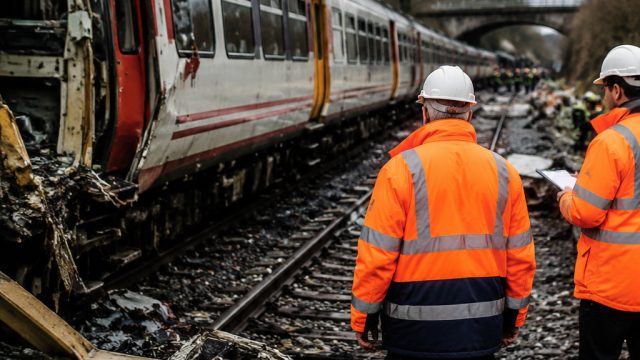
The recent investigation into the tragic Bedford train crash has yielded significant findings that raise crucial questions about railway safety. This accident, which resulted in the death of a train driver and over a hundred injuries, highlights the urgent need for enhanced safety protocols in the rail industry. With many people relying on trains for transportation, understanding these insights is essential now more than ever.
Overview of the Incident
On the fateful day, a southbound express train traveling from Corby to Luton Airport collided with a stationary train on the line. Reports indicate that the express train failed to respond to a red signal, leading to the catastrophic chain of events. An interim report from the Rail Accident Investigation Branch (RAIB) suggests that the train's automatic warning system did not alert the driver in time about the danger signal.
Key Findings from the Investigation
Failure of Safety Systems
One of the pivotal revelations from the investigation is the malfunctioning of the warning system. The express train's driver did not receive a timely warning—even though the automatic systems are designed to prevent such accidents. This raises questions about the reliability of safety measures currently in place:
- How well are automatic warning systems maintained?
- What protocols are in place for testing and verifying their functionality?
- Are there sufficient checks to ensure drivers are alerted to hazards?
Impact on Train Operations
In light of these findings, rail operators may need to reassess their operational protocols. The possibility of human error, combined with equipment failure, creates a complex scenario demanding immediate attention. Investigators are analyzing how these factors interplay in the context of daily train operations:
- Review of existing training programs for drivers
- Measures to enhance real-time communication between trains and control centers
- Implementation of more stringent regulations for system checks
The Importance of Transparency in Investigations
Transparency in investigations is crucial for public trust in rail systems. As the RAIB continues to investigate, ongoing communication about their findings will help to inform the public and stakeholders in the rail industry. It is essential that lessons learned from this crash lead to actionable changes.
Encouraging Future Safety Improvement
The Bedford crash serves as a sobering reminder of the potential consequences of lapses in safety. It is imperative that rail companies, regulators, and technology providers collaborate to enhance safety measures effectively. This collaboration could include:
- Investing in advanced technology for better signal detection
- Creating joint safety committees involving multiple stakeholders
- Establishing a culture of safety that prioritizes prevention over reaction
Conclusion: A Call to Action
The findings from the Bedford train crash investigation are not just numbers; they represent lives affected and families impacted. As we await further updates, it is clear that swift action is needed to address the vulnerabilities exposed by this tragic event. Stakeholders in the rail industry must prioritize safety, ensuring that such accidents are less likely to occur in the future. Public confidence in rail travel depends on ongoing efforts to improve systems and prevent future tragedies. The time for reform is now.
