
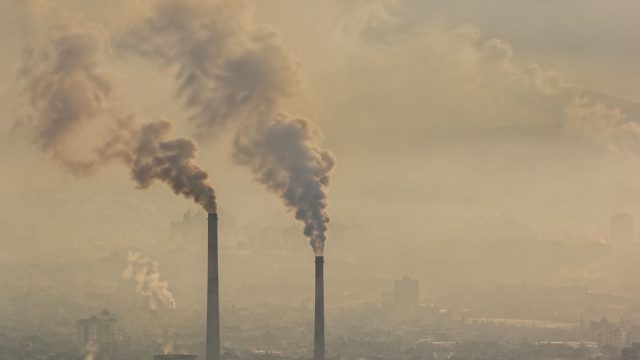
In a troubling report released by the Bankwatch Network, air pollution levels in Kosovo, Bosnia and Herzegovina, Serbia, and North Macedonia have been revealed to be 6.6 times higher than the recommended limits. This alarming data emphasizes an ongoing environmental crisis that has persisted for eight years since the implementation of air pollution control standards under the Energy Community Treaty in 2018.
The Severity of the Issue
As the world becomes increasingly aware of the impact of air quality on public health, the findings regarding the Western Balkans serve as a critical wake-up call. The excessive emissions from thermal power plants in these countries not only breach acceptable air quality standards but also threaten the health and well-being of millions.
Health Implications
The repercussions of elevated air pollution levels are severe and wide-reaching. According to health professionals, exposure to high levels of pollutants can lead to serious health conditions, including:
- Respiratory diseases
- Cardiovascular problems
- Increased risk of cancer
- Adverse effects on mental health
These health issues not only affect individuals but also place an enormous burden on healthcare systems in the region.
Current Environmental Regulations and Their Impact
The 2018 air quality standards were established to help countries within the Energy Community tackle the growing pollution crisis. However, the enforcement and compliance with these standards have been inadequate, resulting in continued high emission levels from thermal power plants. The report suggests that:
- There is a lack of political will to implement necessary changes.
- Existing policies often fail to address the root causes of pollution.
- Investment in clean energy alternatives remains insufficient.
This situation raises urgent questions regarding the effectiveness of current legislation and whether more stringent measures should be taken to protect public health.
Examining the Economic Impact
The economic implications of failing to address air pollution are profound. Poor air quality can lead to significant losses in productivity due to health-related absences and a decreased quality of life for affected populations. Moreover, international investors are increasingly wary of engaging with regions that struggle with severe environmental issues. As the global push for sustainable practices grows, the Western Balkans risk being left behind if they do not take substantive action.
Possible Solutions and Future Directions
Addressing the air pollution crisis in the Western Balkans requires a multifaceted approach. Here are several potential strategies that could be implemented:
- Transitioning to Renewable Energy: Shifting from coal-based power to renewable sources such as wind, solar, and hydroelectric energy is crucial.
- Improving Regulatory Enforcement: Governments must strengthen enforcement of existing air quality standards and ensure compliance among industrial operators.
- Public Awareness Campaigns: Educating citizens about the health risks associated with air pollution can drive community engagement and advocacy for cleaner air.
- International Collaboration: Partnering with international organizations can help secure funding and technical support for pollution reduction projects.
Only through collective efforts can the Western Balkans hope to turn the tide on this pressing issue.
Conclusion
The alarming findings from the Bankwatch Network highlight an urgent need for action on air pollution in the Western Balkans. With health, economic stability, and environmental sustainability at stake, stakeholders must prioritize the implementation of robust solutions to restore air quality to safe levels. The time to act is now, as the consequences of inaction will only escalate, impacting future generations across the region.
