
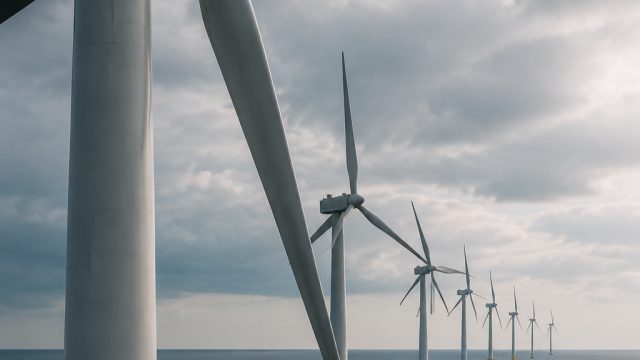
Vestas Wind's Strategic Shift: Navigating the Offshore Market Landscape
Vestas Wind, a leader in the global wind energy sector, is adjusting its strategic focus towards offshore wind projects, as detailed in a recent briefing. This initiative comes amid fluctuating stock performance and evolving market dynamics, making it a pivotal moment for investors and industry observers alike.
Understanding Vestas' Offshore Strategy
As Vestas shifts its resources towards offshore wind, the company's rationale emerges from a comprehensive analysis of market trends and renewable energy demands. The global push towards greener alternatives is accelerating, and offshore projects are increasingly seen as a key component in meeting future energy needs.
Why Offshore Wind?
Offshore wind energy offers several advantages over traditional onshore wind, including:
- Higher Energy Output: Offshore winds are typically stronger and more consistent, providing a greater energy yield.
- Reduced Land Use: Utilizing ocean space minimizes land-related opposition, allowing for more extensive installations.
- Advanced Technology: Innovations in turbine design and efficiency make offshore wind increasingly viable and cost-effective.
Market Reactions and Stock Performance
Despite the promising strategic pivot, Vestas' shares have faced challenges in the wake of recent analyst assessments. The latest reports indicate a mixed reaction from investors, with some expressing concern over execution risks associated with the transition to offshore. Consequently, Vestas saw a dip in its stock value, leading to questions about investor confidence.
Analyst Insights
Recent analyst reports have provided varied perspectives on Vestas’ new direction:
- Positive Outlook: Some analysts argue that Vestas’ commitment to offshore wind positions it well in a rapidly growing sector.
- Risks Highlighted: Others caution that the transition may be complex and fraught with logistical challenges, impacting short-term profitability.
Navigating the Future of Renewable Energy
The shift towards offshore wind by Vestas not only reflects internal strategy but also aligns with a broader global trend. Countries around the world are investing heavily in renewable energy infrastructure, driven by climate commitments and energy security needs.
Global Trends in Offshore Wind Investments
Several factors are contributing to the increasing investments in offshore wind energy:
- Climate Change Initiatives: Governments are enforcing stricter regulations and setting ambitious targets for reducing carbon emissions.
- Technological Innovations: Advancements in turbine technology and floating wind farms are making offshore sites more accessible and efficient.
- Economic Incentives: Financial incentives for renewable energy projects encourage investment in offshore ventures.
Conclusion: The Importance of Strategic Adaptability
Vestas Wind’s strategic redirection towards offshore projects underscores the necessity for adaptability in the fast-evolving renewable energy sector. As the company navigates its path through the complexities of transitioning from onshore to offshore, stakeholders must remain vigilant. The implications of this shift extend beyond Vestas, impacting market dynamics, investment opportunities, and the broader commitment to sustainable energy solutions.
As the landscape of renewable energy continues to transform, Vestas' actions may serve as a key indicator for other players in the market. Keeping an eye on how this strategy unfolds will be crucial for understanding future trends in the global energy sector.
