
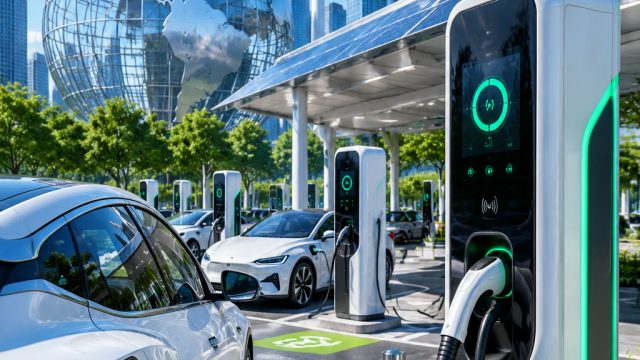
As the electric vehicle (EV) market continues to expand globally, the demand for reliable and efficient charging solutions is more pressing than ever. With governments and businesses investing heavily in EV infrastructure, it is crucial for suppliers and stakeholders to understand the best options available for export. This article delves into the top charging station solutions that are shaping the future of EV charging and why they matter right now.
The Rise of Electric Vehicles and Charging Demand
The transition to electric vehicles represents a significant shift in the automotive industry. With a growing emphasis on sustainability and reducing carbon footprints, many countries are setting ambitious targets for EV adoption. According to recent forecasts, global EV sales are expected to surpass 30 million by 2030. This surge in electric vehicle sales directly correlates with an increasing need for advanced charging infrastructure.
Key Trends Driving Charging Station Demand
- Government Initiatives: Many governments are implementing policies to encourage EV adoption, including tax credits, rebates, and investments in charging networks.
- Corporate Sustainability Goals: Companies are focusing on reducing emissions, leading to increased investments in EV fleets and charging solutions.
- Technological Advancements: Innovations in charging technology, such as ultra-fast chargers and wireless charging systems, are making EV ownership more appealing.
Top Charging Station Solutions for Export
For businesses looking to enter the EV charging market, understanding the various solutions available is essential. Here are some of the leading charging station solutions that are gaining traction globally:
1. AC Level 2 Chargers
AC Level 2 chargers are widely used in residential and commercial settings. They provide a good balance between charging speed and cost, making them an ideal choice for many consumers.
- Charging Time: 4-8 hours for a full charge.
- Installation: Relatively easy to install in existing infrastructure.
- Compatibility: Works with most electric vehicles on the market.
2. DC Fast Chargers
DC fast chargers are designed for rapid charging and are ideal for commercial locations and highway rest stops. These chargers can significantly reduce charging time, making them a favorite among EV drivers.
- Charging Time: 20-30 minutes for an 80% charge.
- Power Output: Ranges from 50 kW to over 350 kW.
- Ideal Locations: Public charging stations, shopping centers, and along major highways.
3. Wireless Charging Solutions
Although still in its infancy, wireless charging technology is gaining interest for its convenience. By eliminating the need for cables, this technology allows users to simply park their EV over a charging pad for an effortless charging experience.
- Convenience: No cables are required, making it user-friendly.
- Future Potential: As technology improves, it may become a standard feature in EVs.
Export Opportunities in Charging Infrastructure
As the demand for EV charging stations grows, so do the opportunities for businesses looking to export these solutions. Several markets worldwide are ripe for investment:
Emerging Markets
Countries in Asia, Africa, and South America are seeing a rise in EV adoption, and with it, the need for charging stations. Establishing partnerships with local businesses can provide a foothold in these expanding markets.
Partnerships and Collaborations
Engaging with local stakeholders and governments can facilitate smoother entry into foreign markets. Collaborations can also lead to shared infrastructure investments, reducing costs while expanding reach.
Conclusion: The Future of EV Charging Solutions
The electric vehicle market's growth is paving the way for innovative charging solutions that cater to an increasingly demanding consumer base. Understanding the various charging technologies and their applications is crucial for businesses looking to capitalize on this trend. As stakeholders continue to explore avenues for growth, the emphasis on reliable and efficient charging infrastructure will remain a top priority. Now is the time to invest in EV charging solutions that meet the needs of a rapidly evolving market.
