
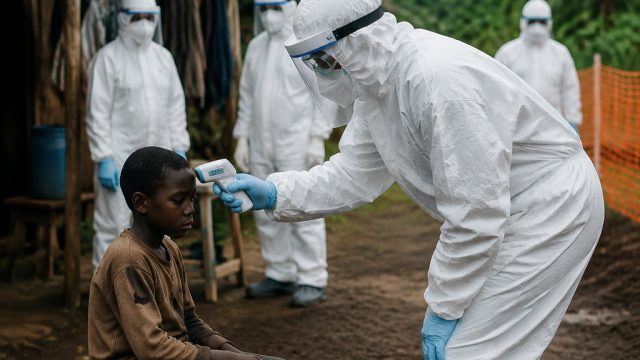
Ebola Cases in Congo Reach Record-Breaking Numbers in First Month
A recent report from the World Health Organization (WHO) reveals that Ebola cases in the Democratic Republic of the Congo (DRC) have surged to unprecedented levels during the initial month of the ongoing outbreak. This alarming surge signals a potential public health crisis that requires urgent attention and coordinated response efforts on a global scale.
The Current Situation: A Stark Increase in Cases
As of the latest data, the DRC has recorded the highest number of Ebola cases during the first month of any outbreak since the virus was first identified in 1976. This rise in cases includes numerous confirmed and suspected infections, raising concerns among health officials about the virus’s rapid spread.
Statistics and Trends
- In the first month alone, over 200 cases have been confirmed.
- A significant number of these cases are from urban areas, complicating containment efforts.
- Healthcare infrastructures are being rapidly overwhelmed.
Why This Matters Now: The Global Implications
Health experts emphasize that the current outbreak has the potential to escalate beyond the borders of the DRC if immediate action is not taken. With the ongoing global threat of pandemics, the implications extend beyond local health systems, risking international stability and public safety.
International Response and Preparedness
In light of these developments, international health organizations and governments are mobilizing resources to address the outbreak. Key actions include:
- Rapid deployment of health workers and medical supplies to affected regions.
- Collaboration with local health authorities to enhance disease surveillance.
- Public awareness campaigns to educate communities about prevention methods.
The Role of the WHO and Global Health Community
The WHO plays a critical role in coordinating the response to the outbreak. Their strategies focus on containing the virus while also ensuring that local and international health services are supported. With the recent spike in cases, the WHO has called for:
- An increase in funding for outbreak response efforts.
- Strengthening of health systems in vulnerable countries.
- Enhanced research into effective treatments and vaccines.
Community Engagement and Prevention
One of the most effective ways to combat the spread of Ebola is through community engagement. Health officials are working to educate the public on recognizing symptoms and understanding the importance of seeking medical care promptly. Community leaders are crucial in disseminating this information and encouraging preventive measures.
Conclusion: A Call to Action
The current Ebola outbreak in the DRC serves as a stark reminder of the vulnerabilities present in global health systems. As cases continue to rise, it is imperative that governments, health organizations, and communities come together to implement effective strategies to control the spread of the virus. Only through collective action can we hope to prevent this outbreak from becoming a larger, more devastating crisis.
