
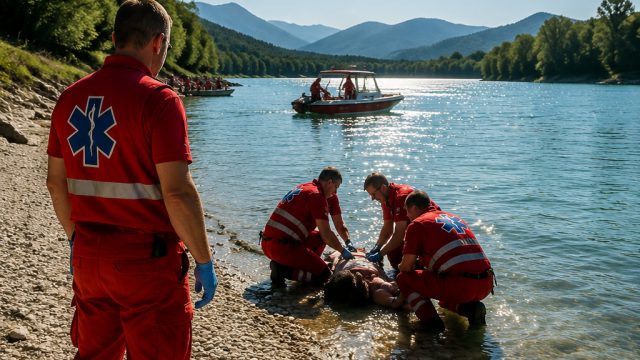
As Europe faces a record-breaking heatwave, the continent's escalating temperatures have brought the urgent need for awareness regarding safety during these extreme conditions. Tragically, the recent drowning incidents in France serve as stark reminders of the perils that come with seeking relief from the oppressive heat.
Heatwave Hits Europe Hard
This summer, the European continent has experienced unprecedented temperatures, prompting officials to declare red alerts across several countries, including France, Spain, and Italy. France's meteorological service has reported that cities are reaching their hottest temperatures in recorded history, with many regions exceeding 40 degrees Celsius (104 degrees Fahrenheit).
The intense heat has not only affected the quality of life for millions but has also increased the risks associated with swimming in natural bodies of water as people seek to cool off. Unfortunately, this year, approximately 20 individuals have drowned in France alone while attempting to escape the heat.
Impact of Drowning Incidents
The recent drownings, which include two children in a hot car, have ignited discussions about public safety and emergency preparedness during heatwaves. Local authorities are urging beachgoers and lake visitors to adhere to safety regulations:
- Always swim in designated areas supervised by lifeguards.
- Avoid swimming alone to ensure safety in case of emergencies.
- Stay hydrated and take frequent breaks in the shade.
Community Response and Safety Measures
In response to the tragic events, community leaders across France are taking proactive measures to ensure public safety. Many local governments have set up information campaigns about the dangers of swimming in unmonitored areas and have increased the availability of water safety courses. These courses aim to educate individuals about swimming protocols and drowning prevention strategies.
Tips for Staying Safe in Extreme Heat
As temperatures continue to rise, it is essential for individuals to take precautionary measures. Here are some crucial tips to stay safe:
- Limit outdoor activities during peak heat hours (11 a.m. to 4 p.m.).
- Wear loose-fitting, light-colored clothing to stay cool.
- Use sunscreen to protect against sunburn.
- Keep an eye on vulnerable populations, such as the elderly and young children.
Why This Matters Now
The ongoing heatwave is a wake-up call regarding climate change and its ramifications. As temperatures worldwide continue to soar, such weather patterns are becoming more frequent. Experts suggest that understanding the implications of these shifts is vital not only for personal well-being but also for community resilience against future heat-related tragedies.
In addition to the immediate health risks, these extreme weather events highlight the need for comprehensive climate policies and disaster readiness plans. The rise in drownings, particularly in regions not accustomed to extreme heat, indicates a need for improved public education and infrastructure to accommodate such challenges.
Conclusion: A Call for Awareness and Preparedness
The recent tragedies in France underscore the importance of being prepared and aware of the risks associated with extreme heat. As temperatures rise, it is crucial for communities to come together, implement safety measures, and promote awareness about the dangers of swimming in unsupervised areas. By prioritizing safety and education, we can work towards preventing future incidents and protecting our loved ones from the devastating effects of climate-related crises.
