
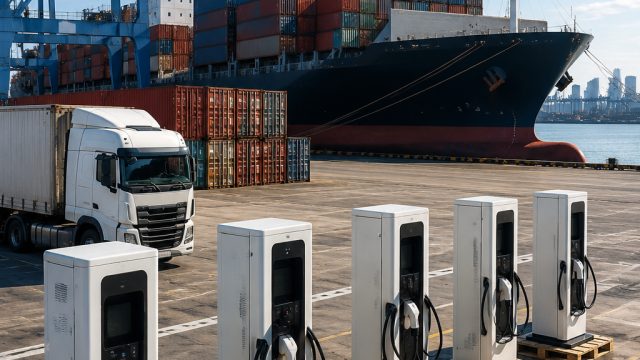
Unlocking Global Opportunities: The Future of EV Charging Equipment Export
The electric vehicle (EV) market is witnessing unprecedented growth, and with it, the demand for reliable EV charging equipment is soaring. As more countries commit to reducing their carbon footprints and transitioning to electric mobility, the export of EV charging equipment is becoming a lucrative venture for manufacturers and suppliers across the globe.
The Expanding EV Market
Statistics highlight that the global EV market is projected to reach over 30 million units sold annually by 2030, showcasing a robust demand for infrastructure, particularly EV charging stations. This boom presents an opportunity for manufacturers to engage in B2B trade at an international level, serving as a supplier of essential equipment to various markets. Countries like Norway and China are leading the charge, with significant governmental support for EV infrastructure.
The Role of Wholesale in EV Charging Equipment
Wholesale trade plays a critical role in the distribution of EV charging equipment. By supplying products in bulk to retailers and service providers, manufacturers can streamline their operations while maximizing revenue streams. With enticing offerings and competitive pricing, a wholesaler can attract businesses looking to invest in EV charging stations. The wholesale model also simplifies logistics and inventory management, making it easier for companies to scale.
Global Trade Regulations and Compliance
Understanding the global trade landscape is vital for manufacturers looking to export EV charging equipment. Different regions have specific regulations regarding electrical standards, safety certifications, and environmental compliance. For example, the European Union mandates adherence to the CE marking, which signifies that products meet EU safety and environmental standards. Manufacturers must ensure their products comply with these regulations to avoid costly delays and penalties.
Key Markets for Export
The potential for exporting EV charging equipment is vast, with several key markets emerging as front-runners. The United States continues to invest heavily in EV infrastructure, presenting substantial opportunities for manufacturers. Similarly, countries in Asia-Pacific, such as India and Japan, are ramping up their EV initiatives and require significant supplies of charging technology. Keeping an eye on these markets can help businesses identify promising export opportunities.
Building Relationships in B2B Trade
B2B trade is all about relationships, and establishing strong connections within the industry is essential for thriving in the EV charging equipment export sector. Networking at trade shows, joining industry associations, and utilizing online platforms can help manufacturers find reputable partners and distributors. Effective communication and collaboration will also enhance brand visibility and trustworthiness, encouraging long-term partnerships.
Conclusion: Embracing the Future
The outlook for the EV charging equipment export market is bright, fueled by the global shift towards sustainable transportation. Manufacturers who are agile and proactive in adapting to market needs will not only thrive but also contribute to a cleaner, greener future. By focusing on wholesale distribution, complying with trade regulations, and cultivating strong B2B relationships, suppliers can successfully navigate this booming industry.
