
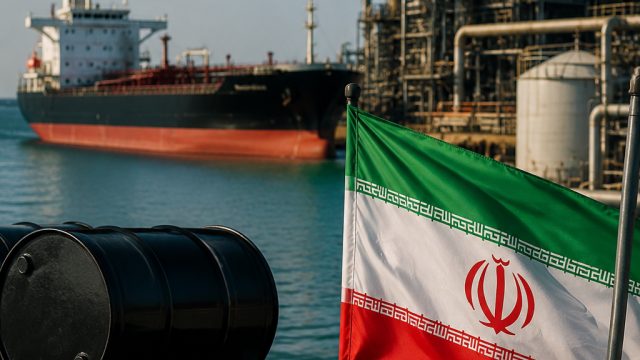
Impact of New Sanctions Waivers on Iran's Oil Revenue: A Timely Analysis
In a significant shift in geopolitical energy dynamics, the United States has introduced waivers to its sanctions on Iranian oil exports. This change, designed to ease restrictions, could unlock billions of dollars for Tehran, fundamentally altering the landscape of global oil trade and marketplace stability. Understanding the implications of this development is crucial, especially as it unfolds amid a complex backdrop of ongoing negotiations surrounding Iran's nuclear program.
Overview of the Sanctions Waiver
Recently, the U.S. administration announced a temporary lifting of certain sanctions previously imposed on Iran's oil sector. This decision aims to recalibrate diplomatic relations while permitting Iran to regain access to significant financial resources. The waivers, believed to affect various international buyers, could rejuvenate Iran's economy, which has been severely hit by stringent sanctions over the past years.
What This Means for Iranian Oil Exports
- Increased Revenue: By allowing limited oil exports, Iran stands to accrue substantial revenue, which can be reinvested into its economy.
- Strategic Partnerships: Iran is likely to accelerate efforts to forge new alliances with countries that have historically relied on its crude oil.
- Impact on Global Oil Prices: As Iran resumes exports, fluctuations in global oil prices may occur, affecting consumer markets worldwide.
Challenges Ahead for Iran
While the sanctions waivers provide a window of opportunity, Iran faces numerous challenges as it navigates this new landscape. The effectiveness of these waivers is contingent upon ongoing negotiations regarding its nuclear program and the U.S.'s strategic goals in the region.
Diplomatic Dynamics
The international community remains vigilant as the U.S. balances its approach between promoting stability and containing Iran's nuclear ambitions. Cooperation among global oil producers and consumers, especially in Asia, will be pivotal as Iran seeks to re-establish itself in the oil market.
Broader Implications for Energy Markets
The lifting of sanctions could signify a larger shift in the global energy market, influencing supply chains and pricing models. Various stakeholders, including independent casinos, energy sector analysts, and multinational corporations, will need to reassess their strategies in light of these developments.
Shifts in Global Supply Chains
- Supply Disruptions: A renewed influx of Iranian oil could disturb current supply chains, particularly those relying on stable sources from the Middle East.
- Alternative Energy Strategies: Countries may pivot towards different energy strategies to mitigate risks associated with fluctuating oil availability.
Conclusion: Monitoring the Evolving Situation
The recent U.S. sanctions waivers on Iranian oil exports represent a pivotal moment that could reshape the energy landscape for years to come. As players in the oil market adjust to this new reality, it is essential for consumers, investors, and policymakers to stay informed and prepared for the implications that may arise. The convergence of economic, geopolitical, and environmental factors will undoubtedly play a crucial role in determining the future trajectory of both Iran's economy and the global oil market.
