
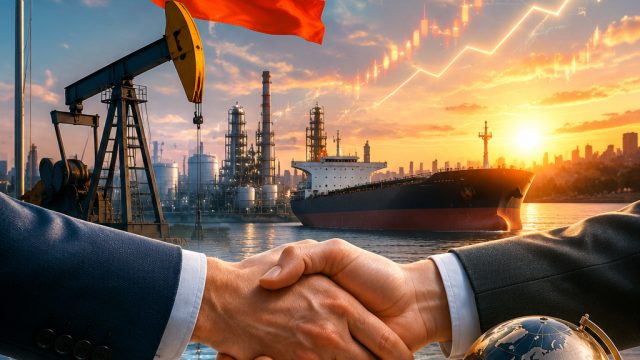
US Eases Sanctions on Iran: Implications for Global Oil Markets
In a significant shift in foreign policy, the United States has recently decided to waive some sanctions on Iranian oil exports. This move comes amidst ongoing negotiations regarding Iran's nuclear program, raising questions about its potential impact on global energy markets and diplomatic relations in the region.
Understanding the Sanction Easing
The easing of sanctions allows Iran to resume a substantial level of oil exports, unlocking billions in revenue that had previously been restricted. This change has been met with various reactions both domestically and internationally, as stakeholders analyze the implications for energy prices and geopolitical stability.
What Does This Mean for Iran?
For Iran, the easing of sanctions is a crucial lifeline. The country has been grappling with economic challenges exacerbated by stringent sanctions over the years. Analysts suggest that this financial boost could empower the government in Tehran, potentially impacting its nuclear ambitions and regional policies. Key points to consider include:
- Increased Oil Revenue: Iran stands to gain significantly from resuming oil sales, which could replenish its state coffers.
- Regional Influence: Enhanced financial resources may enable Iran to bolster its influence in neighboring countries.
- Nuclear Negotiations: The new revenue stream could alter Iran's stance in ongoing negotiations concerning its nuclear program, as they now have more financial leverage.
Impact on Global Oil Prices
The re-entry of Iranian oil into global markets raises critical questions regarding oil prices and supply chains. Experts predict potential fluctuations in the market. Key factors include:
Potential Price Drops
With an increase in the supply of oil, prices may experience downward pressure. This has particular relevance as the world seeks to stabilize energy costs amid economic recovery efforts following the pandemic:
- Market Dynamics: Increased supply could lead to lower prices, benefiting consumers but potentially straining oil-dependent economies.
- Competitive Landscape: Other oil producers may be impacted as they adjust their production strategies to maintain market share.
Geopolitical Repercussions
The easing of sanctions could lead to a reconfiguration of alliances and partnerships in the Middle East. A few possibilities include:
- Strengthened Ties with Russia and China: Iran may enhance its partnerships with countries that are more sympathetic to its position, potentially shifting global alliances.
- Increased Tensions with Gulf States: Neighboring countries wary of Iran's influence may respond by strengthening their own defenses or seeking new alliances.
The Bigger Picture: Why This Matters Now
As global economies seek stability post-pandemic, the implications of the US's decision to ease sanctions on Iran are far-reaching. The intersection of energy policy, economic recovery, and international diplomacy shapes a complex landscape. Understanding this context is crucial for businesses and policymakers alike.
Attention to Energy Security
Energy security is at the forefront of many nations' agendas, as they strive to ensure stable and affordable energy supplies. This recent sanction easing allows for a reevaluation of energy strategies in light of:
- Supply Chain Resilience: Countries may need to reassess their dependency on single sources of energy, especially in light of potential volatility.
- Diverse Energy Sources: The return of Iranian oil could encourage diversification in energy sourcing for various nations.
Conclusion: Navigating the Future
The recent easing of US sanctions on Iranian oil signifies a pivotal moment within the global energy market. As stakeholders from various sectors analyze the potential impact, staying informed is essential for navigating this evolving landscape. With new opportunities and challenges on the horizon, the world watches closely as these developments unfold.
As we monitor the situation, it is clear that understanding the implications of such geopolitical moves will be vital for anyone involved in international trade, energy policy, or economic strategy.
