
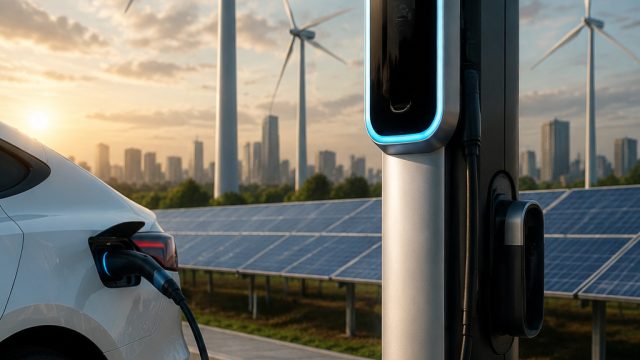
Navigating the Future of EV Charging: Hardware and Grid Innovations
The landscape of electric vehicle (EV) charging is rapidly evolving, driven by the increasing demand for sustainable energy solutions and advancements in technology. As more drivers transition to electric cars, understanding the latest trends in EV charging infrastructure becomes essential for stakeholders in the automotive and energy sectors. This article explores the current innovations in EV charging hardware and the implications for grid management, providing insights into why these developments are significant right now.
Innovative Hardware Solutions for Efficient Charging
At the forefront of EV charging advancements are cutting-edge hardware solutions that enhance the user experience while optimizing charging times. Several manufacturers are investing heavily in developing fast-charging stations that can significantly reduce the duration of charging sessions, making electric vehicles more practical for everyday use.
High-Power Charging Stations
- These stations deliver up to 350 kW, allowing for ultra-fast charging capabilities.
- They can replenish the battery of most EVs to 80% in about 15-20 minutes.
- High-power charging stations are being strategically placed along major highways to facilitate long-distance travel.
Smart Charging Solutions
Smart charging technology is another significant trend that enhances the efficiency of EV charging. By using data analytics and real-time monitoring, these systems can determine the optimal times for charging based on grid demand and electricity rates. This not only helps reduce costs for consumers but also alleviates pressure on the grid during peak hours.
Impacts on Energy Grid Management
As the number of EVs on the road continues to rise, so does the importance of effective management of the energy grid. The integration of smart charging solutions is helping to create a more resilient grid that can adapt to fluctuating electricity demands.
Load Balancing Strategies
- Load balancing helps to distribute electricity evenly across the grid, preventing outages and optimizing resource use.
- By encouraging EV charging during off-peak hours, utilities can manage grid load more effectively.
- Dynamic pricing models incentivize consumers to charge their vehicles when demand is low, further supporting grid stability.
Decentralized Energy Generation
With advancements in solar and wind energy technologies, there is a growing trend towards decentralized energy generation. EV charging stations that incorporate renewable energy sources can reduce reliance on traditional power grids, offering a more sustainable and environmentally friendly charging option.
The Urgency of EV Charging Infrastructure Development
The push for improved EV charging infrastructure is more urgent than ever. As governments worldwide implement stricter emissions regulations and consumers increasingly prioritize sustainability, the need for accessible and efficient charging solutions is critical. Without adequate charging infrastructure, the growth of the electric vehicle market could be hampered, impacting national and global efforts to combat climate change.
Investment in Charging Networks
- Investments in charging networks are essential for facilitating the adoption of electric vehicles.
- Public-private partnerships can accelerate infrastructure development by pooling resources and expertise.
- Innovative business models, including subscription-based charging services, are emerging to enhance accessibility.
Consumer Awareness and Engagement
For EVs to become the norm rather than the exception, educating consumers about the benefits and availability of charging infrastructure is vital. Engaging potential electric vehicle owners through outreach programs and incentives can drive adoption and encourage responsible energy use.
Conclusion
The evolution of EV charging technology and the integration of these advancements into the energy grid are critical to the future of sustainable transportation. As hardware innovations improve charging efficiency and grid management strategies become more sophisticated, it is essential for stakeholders to stay informed and engaged in the developments shaping this industry. Investing in charging infrastructure and enhancing consumer knowledge are steps we must take to ensure a cleaner, greener future for transportation.
