
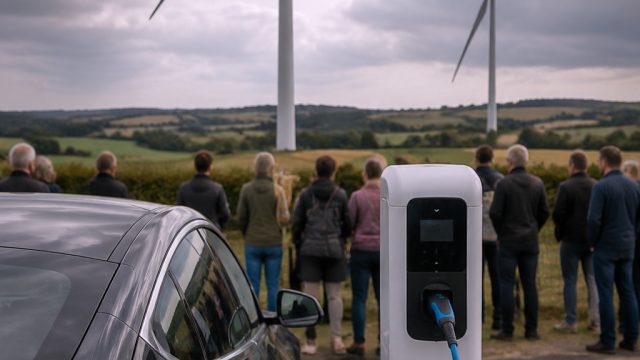
Controversy Erupts Over EV Firm's Wind Turbine Plans in Hampshire
As the demand for electric vehicles (EVs) surges, so does the need for sustainable energy solutions. However, a recent decision regarding Instavolt's proposed wind turbine in Hampshire has sparked significant debate and frustration among stakeholders. This incident highlights the tension between renewable energy initiatives and local regulatory frameworks, raising important questions about the future of EV charging and green technology deployment.
Instavolt's Proposal: A Vision for Sustainable Energy
Instavolt, a prominent player in the EV charging landscape, aimed to enhance its green credentials by proposing a large-scale wind turbine in the Hampshire countryside. The project was designed to not only power its charging stations but also contribute surplus energy back to the grid, promoting a cleaner and more sustainable energy ecosystem. However, the local council has rejected the proposal, citing concerns over environmental impact and visual disturbances.
The Regulatory Landscape
This decision underscores the complexities involved in obtaining approvals for renewable energy projects. Local governments often face pressure from residents who fear that such developments may disrupt their communities. In this case, the council’s refusal has left Instavolt feeling frustrated, as they believe that their initiative could significantly advance the region's energy independence.
Local Sentiments and Community Impact
The community response to Instavolt's proposal has been mixed. While some residents express support for the advancements in EV infrastructure and renewable energy, others are concerned about the visual and ecological implications of placing a large wind turbine in their scenic countryside. Such sentiments illustrate the broader conflict between the urgency of transitioning to renewable energy and the preservation of local landscapes.
Engaging the Community
Efforts to engage the community in discussions about renewable energy projects are essential. How can companies like Instavolt gain support while addressing the concerns of local residents? Here are some strategies that could foster better community relations:
- Organizing community forums to address concerns and share the benefits of renewable energy.
- Providing transparent information about the project’s environmental assessments and sustainability goals.
- Involving local stakeholders in the planning process to create more inclusive solutions.
The Future of EV Charging and Renewable Energy
As electric vehicle adoption continues to grow, the demand for reliable and sustainable energy sources becomes critical. Companies like Instavolt are at the forefront of this transition and face the challenge of navigating regulatory hurdles while advocating for cleaner energy solutions. The rejection of the Hampshire wind turbine project serves as a cautionary tale for other firms in the renewable sector.
Innovative Solutions on the Horizon
Despite this setback, the future remains promising. The integration of advanced technologies such as energy storage systems and smarter grid management can help alleviate some of the concerns associated with renewable energy projects. Moreover, the ongoing collaboration between energy firms and local governments could lead to more viable, community-backed solutions.
Conclusion: A Call for Collaboration
The conflict surrounding Instavolt's wind turbine proposal in Hampshire highlights a pressing need for collaboration between energy companies and local authorities. As we advance towards a more sustainable future, it is imperative that all stakeholders engage in meaningful dialogue to ensure that the growth of electric vehicle infrastructure does not come at the expense of our cherished landscapes. Instavolt’s experience serves as a reminder that innovation in renewable energy must be paired with community engagement and environmental stewardship.
With the right approach, the vision of a cleaner, more sustainable energy future is within reach, benefiting both residents and the environment alike.
