
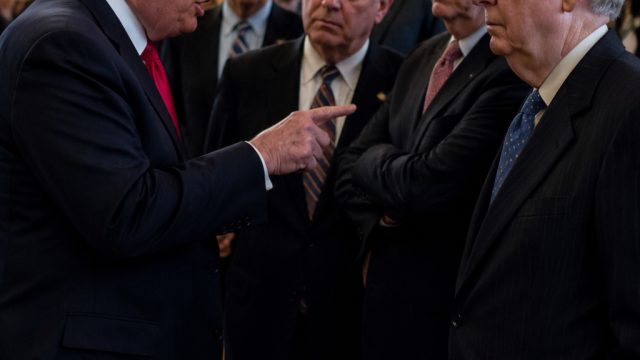
In a recent closed-door meeting, former President Donald Trump engaged in a heated confrontation with Senate Republicans, igniting concerns about the future unity of the GOP. This tense interaction not only highlighted existing fractures within the party but also raised critical questions about the Republican strategy leading up to the next election cycle.
The Meeting: A Turning Point for GOP Dynamics
The lunch meeting, reportedly rife with disagreements, saw Trump clash with various senators over differing legislative priorities and strategies. The atmosphere was described as charged, with instances of shouting and pointed remarks. Observers suggest that this confrontation may signal deeper issues within the party as it grapples with its identity post-Trump presidency.
Key Moments from the Meeting
- Shouting Match: Reports indicated that Trump told Senator Bill Cassidy to "sit down" during an exchange over policy disagreements, illustrating the growing tension among party members.
- Focus on Election Strategy: Many senators expressed concerns about the party's direction heading into pivotal elections, with Trump pushing for a strategy that aligns closely with his personal brand rather than broader party interests.
- Delegation of Responsibility: Some GOP senators voiced frustration over Trump's previous decisions that they believe negatively impacted their electoral prospects, particularly regarding candidate endorsements and campaign contributions.
Implications for GOP Unity
The confrontation raises significant concerns about the cohesiveness of the Republican Party as a whole. With the midterm elections approaching, party unity is essential for effective campaigning and voter mobilization.
Potential Outcomes from the Tensions
- Increased Factionalism: As different factions within the party vie for influence, we may see an increase in internal conflicts, which could hinder unified messaging.
- Strategic Realignments: Some senators may rethink their affiliation with Trump, leading to a reevaluation of endorsements and support strategies.
- Policy Focus Shifts: The party might shift focus from Trump-centric policies to more traditional conservative agendas to appeal to a broader voter base.
Why This Matters Now
As the political landscape continues to evolve, the implications of Trump's recent confrontation are immediate and far-reaching. With the 2024 elections around the corner, the Republican Party must address these internal conflicts to present a united front. Failure to do so could jeopardize their chances in key races, making it vital for leadership to find common ground among its members.
The Road Ahead for Republicans
- Reassessing Leadership Roles: The GOP may need to consider new leadership dynamics to bridge the gaps caused by recent tensions.
- Fostering Open Communication: Encouraging open dialogue among party members is essential for addressing grievances and aligning on common goals.
- Engaging Voter Sentiment: Listening to constituents and adapting strategies based on voter feedback can help mend the rifts within the party.
In conclusion, Trump's confrontation with Senate Republicans serves as a stark reminder of the challenges facing the GOP. As they navigate these turbulent waters, party members must prioritize unity and strategy to maintain electoral competitiveness. The stakes are high, and the coming months will be crucial for determining the party's direction and future success.
