
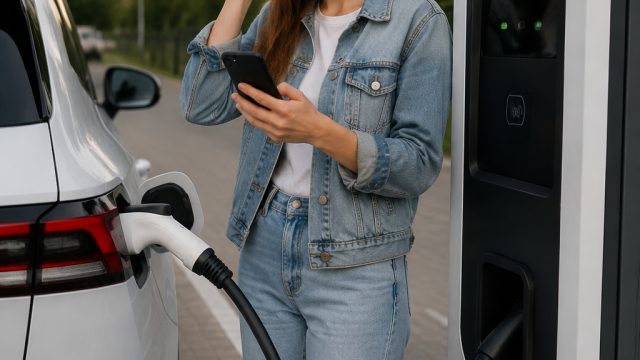
The electric vehicle (EV) market is booming, with more drivers than ever making the switch to sustainable transportation. However, as the demand for EVs increases, so do concerns about rising charging costs. Recent discussions among policymakers and consumers alike have highlighted fears that charging companies may be taking advantage of the situation, leading to accusations of price gouging. Understanding these dynamics is crucial for anyone invested in the electric vehicle ecosystem.
The Current Landscape of EV Charging Costs
As of late 2023, many EV owners have reported significant fluctuations in charging prices at public stations. These costs vary widely based on location, time of day, and the type of charging solution used. Some consumers have noticed that prices can rise dramatically, particularly in high-demand areas or during peak hours.
Price Variability Explained
- Location Impact: Urban centers with a high concentration of EVs often see higher prices than rural areas due to demand and competition.
- Time-Based Pricing: Similar to traditional gas stations, many charging networks employ time-of-use pricing, which can lead to spikes during busy hours.
- Charging Speed: Fast chargers typically cost more per minute compared to standard chargers, reflecting the premium service they provide.
Why This Issue Matters Now
As governments worldwide push for greener transportation alternatives, the transition to electric vehicles is paramount. However, if charging costs remain unpredictable and steep, it may deter potential EV buyers and undermine broader climate goals.
The Call for Regulation
Policymakers are starting to take notice of these pricing issues. Legislators from various regions are advocating for regulatory measures that would ensure fair pricing practices among EV charging companies. This includes:
- Implementing price ceilings to prevent excessive charges.
- Standardizing pricing models across networks for transparency.
- Encouraging competition to drive down costs through innovation.
Strategies for EV Owners to Manage Charging Costs
While the debate continues at the legislative level, consumers can take proactive steps to manage their charging expenses effectively. Here are some strategies to consider:
Utilizing Mobile Apps
Many charging networks provide mobile applications that allow users to:
- Check real-time pricing.
- Locate the nearest charging stations.
- View user reviews and ratings to gauge reliability.
Charging at Home
For those who have access to home charging, investing in a home charging station can save significant costs over time. Here are the benefits:
- Fixed costs compared to fluctuating public prices.
- Convenience of charging at your own schedule.
- Potential tax incentives and rebates from local governments.
Timing Your Charging
Charge your vehicle during off-peak hours to take advantage of lower rates. Many utility providers offer special rates for EV users, making it more affordable to charge overnight or during less busy times.
The Future of EV Charging
As technological advancements continue to shape the EV landscape, it is vital for both consumers and regulators to stay informed about pricing practices and industry developments. Increased awareness can drive demand for fairer pricing, ensuring that the transition to electric vehicles remains accessible and equitable for all.
Conclusion
With the surge in electric vehicle adoption, it is more important than ever for consumers to be proactive about understanding and managing charging costs. By staying informed and utilizing available resources, EV owners can navigate the current market and contribute to a sustainable future. As the conversation around pricing transparency grows, we can hope for a more equitable charging landscape.
