

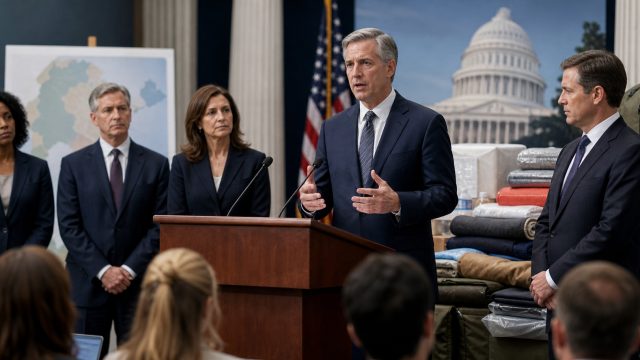
In a bold move that has raised eyebrows across the political landscape, the Biden administration has put forth an emergency funding request totaling nearly $88 billion. This allocation is primarily aimed at bolstering military operations in Iran and addressing urgent disaster relief needs domestically and internationally. As the geopolitical climate shifts and the impacts of climate change escalate, the implications of such funding cannot be overstated.
The Context Behind the Request
With ongoing tensions in the Middle East, the United States finds itself in a precarious position. The Pentagon's estimated costs for military operations in Iran have soared, with initial projections of $29 billion now considered conservative. Analysts suggest that the realistic expenditure could approach $200 billion, reflecting the complexities of modern warfare.
Escalating Military Expenditures
- Operational Costs: The U.S. military's ongoing presence in the region is not only costly but also strategically critical. These funds are intended to cover everything from troop salaries to equipment maintenance.
- Infrastructure Development: Ensuring operational readiness includes developing and maintaining bases that can support military operations in volatile areas.
- Intelligence Operations: A significant portion of the budget is also earmarked for enhancing intelligence capabilities to better navigate the complexities of potential conflicts.
Domestic and International Disaster Relief
Alongside military funding, the request includes substantial allocations for domestic disaster relief. The recent increase in natural disasters due to climate change has placed immense pressure on federal resources.
Key Areas of Focus
- Rebuilding Efforts: Funds will facilitate the rebuilding of infrastructure in areas hit hardest by natural disasters, ensuring communities can recover more swiftly.
- Preparedness Programs: Investing in preparedness initiatives aims to mitigate future disaster impacts and enhance community resilience.
- Support for Affected Citizens: This funding will also provide direct assistance to individuals and families who have been significantly impacted by disasters.
The Political Landscape and Implications
The request comes at a time when many Americans are concerned about fiscal responsibility and government spending. Critics argue that such a large allocation could be better spent on domestic issues, including healthcare and education.
Responses from Lawmakers
- Support from Defense Advocates: Some lawmakers argue that national security must take precedence, particularly in the face of evolving threats.
- Concerns About Overspending: Fiscal conservatives voice their apprehension, emphasizing the need for a thorough examination of the budget's impact on national debt.
- Calls for Transparency: Many are demanding clearer insights into how funds will be allocated and the expected outcomes of this expenditure.
Why This Request Matters Now
The urgency of this funding request underscores the intertwining of global security and domestic stability. As the world confronts various crises—from military conflicts to climate-related disasters—the ability of the U.S. government to respond effectively is crucial.
Looking Ahead
- Continued Scrutiny: The funding request will be closely monitored as it goes through congressional approval, with stakeholders eager to see how it will affect both military and civilian landscapes.
- Impact on Future Budgets: How this funding is managed may set a precedent for future budget discussions, particularly regarding military versus social spending.
- Public Opinion: As the administration navigates these tumultuous waters, public sentiment will play a significant role in shaping the final outcome of this request.
In conclusion, the Biden administration's request for $88 billion is not just a financial figure; it represents a pivotal moment in U.S. policy that intertwines military readiness and humanitarian response. As Congress deliberates on this request, the implications of these decisions will reverberate throughout the nation and beyond for years to come.
