

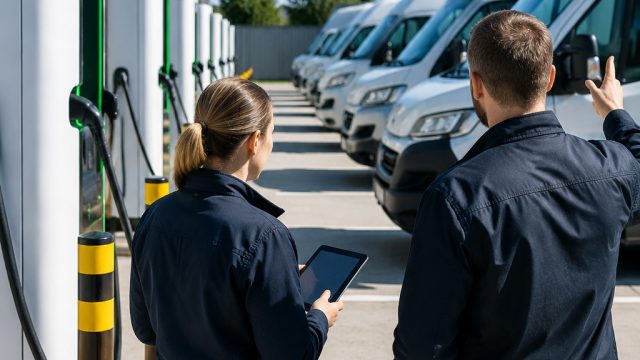
As the world shifts towards sustainable energy, businesses are increasingly adopting electric vehicles (EVs) for their fleets. However, managing fleet EV charging effectively is critical to ensure operational efficiency and cost savings. Understanding the unique needs of your fleet is a vital first step in this process, especially in today’s rapidly evolving transportation landscape.
The Importance of Tailored Charging Solutions
Incorporating EVs into a fleet requires more than just the vehicles themselves; it necessitates a comprehensive approach to charging infrastructure. Fleet managers must evaluate various factors to create a tailored charging solution that aligns with their operational goals. Here are some essential questions to consider:
- What is the daily range requirement of the fleet vehicles?
- How many hours per day can vehicles be charged?
- What are the peak charging hours, and how can they be managed?
- Are there specific routes that require more frequent charging?
Understanding Fleet Composition
Before developing a charging strategy, it's important for fleet managers to understand the composition of their fleet. This includes factors such as:
- The type of vehicles used (e.g., vans, trucks, passenger vehicles)
- The average distance traveled per day
- Charging preferences of the drivers (e.g., overnight charging vs. mid-route charging)
- Specific operational needs, such as temperature control for refrigerated vehicles
Leveraging Technology for Enhanced Efficiency
Modern technologies play a crucial role in optimizing fleet EV charging. Investing in the right software solutions can help monitor and manage charging sessions more effectively. Here’s how technology can assist:
- Real-time Monitoring: Utilizing telematics allows fleet managers to track vehicle performance and charging status in real-time.
- Data Analytics: Analyzing charging data can reveal patterns, helping to predict when and how often vehicles need to be charged.
- Scheduled Charging: Implementing smart charging solutions can optimize energy costs by allowing charging during off-peak hours.
Adapting to Infrastructure Changes
As EV technology evolves, fleets must stay adaptable to changes in charging infrastructure. Awareness of new charging stations and technologies is necessary for efficient fleet management:
- Stay informed on government incentives for EV charging installations.
- Partner with local utilities to access rebates and support programs.
- Explore partnerships with charging network operators for expanded access.
Future Trends in Fleet Electrification
The future of fleet electrification is promising, with continued advancements in battery technology and charging capabilities. Here are some trends that fleet managers should watch:
- Rapid Charging Technology: The development of ultra-fast charging stations will significantly reduce downtime for fleets.
- Vehicle-to-Grid Solutions: This technology allows vehicles to return energy to the grid, providing additional savings and sustainability benefits.
- Automated Charging: Autonomous charging solutions are on the rise, which could streamline the charging process further.
Conclusion: Preparing for a Sustainable Future
As more companies transition to electric fleets, understanding how to optimize EV charging is essential for ensuring efficiency and sustainability. By assessing fleet needs, leveraging technology, and staying informed on industry trends, businesses can create robust charging strategies that not only enhance productivity but also contribute positively to the environment. The transition to electric fleets is not just a trend; it is a critical step towards a sustainable future in transportation.
