

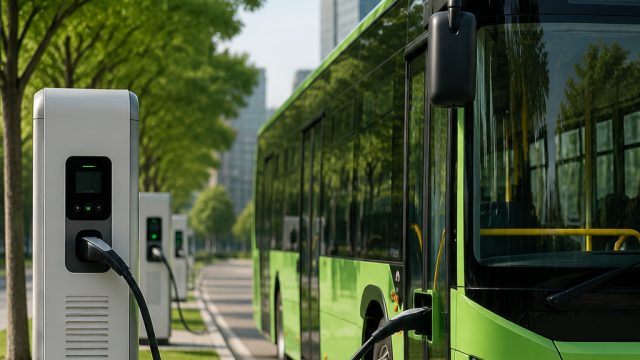
In a groundbreaking initiative aimed at enhancing public transportation and promoting sustainability, New South Wales (NSW) has announced a significant investment of AU$6.5 billion over the next decade dedicated to the development of electric bus infrastructure. This ambitious program reflects the state's commitment to transitioning towards greener transportation options, which not only benefits the environment but also improves the quality of urban life.
A Clear Shift Towards Sustainability
The decision to allocate such a substantial amount of funding towards electric buses marks a pivotal moment for public transport in Australia. As cities across the globe grapple with the challenge of climate change and urban congestion, NSW is taking a proactive approach. The investment aims to phase out diesel-powered buses, which are known for their significant carbon emissions, and replace them with eco-friendly electric alternatives.
Key Features of the Electric Bus Program
This ten-year plan is not merely about purchasing new vehicles; it encompasses a comprehensive approach to building the necessary infrastructure to support electric buses. Here are some of the primary components of this initiative:
- Infrastructure Development: Construction of charging stations and maintenance facilities specifically designed for electric buses.
- Fleet Transition: Gradual replacement of older diesel buses with electric models, ensuring that public transport systems meet modern environmental standards.
- Job Creation: The initiative is expected to create thousands of jobs in construction, manufacturing, and maintenance sectors, stimulating economic growth.
- Community Engagement: Collaboration with local communities to ensure the program meets the needs of residents and encourages public usage of electric buses.
Environmental Impact and Benefits
Transitioning to electric buses has numerous environmental benefits. These buses produce zero tailpipe emissions, which significantly reduces air pollution levels in urban areas. Furthermore, as renewable energy sources become increasingly integrated into the power grid, the overall carbon footprint of electric buses will continue to decrease.
Additionally, electric buses are quieter than their diesel counterparts, leading to reduced noise pollution in cities. This improvement is particularly beneficial for residents living near busy transit corridors, enhancing their quality of life.
Challenges Ahead
While the investment presents numerous advantages, several challenges need to be addressed to ensure the success of this initiative. Key issues include:
- Infrastructure Readiness: The rollout of charging stations and maintenance facilities must keep pace with the deployment of electric buses to avoid operational disruptions.
- Public Acceptance: Gaining the trust and support of the community is crucial. Effective communication about the benefits of electric buses will be essential to encourage public adoption.
- Cost Management: Ensuring that the program remains within budget while delivering high-quality electric buses and infrastructure will require careful planning and execution.
Looking Ahead to the Future of Public Transport
The AU$6.5 billion investment in electric bus infrastructure is just the beginning. As NSW leads the way in revolutionizing public transport, other regions are likely to follow suit, recognizing the importance of sustainable transportation solutions. This initiative positions Australia as a forward-thinking country ready to embrace the challenges of the future.
In conclusion, the shift towards electric buses is a crucial step in creating a sustainable and efficient public transport system. With ongoing support and commitment from both government and communities, this program has the potential to transform the way we think about and use public transportation. As we look to the future, it is clear that electric buses will play a key role in shaping more livable, healthier cities.
