

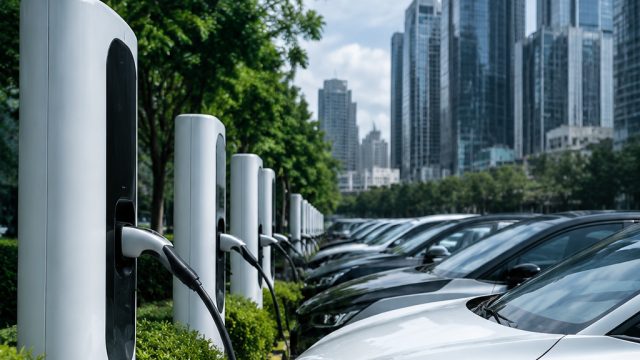
In a remarkable milestone for the electric vehicle (EV) industry, China's EV charging stations have surpassed a staggering 22 million units as of the end of May 2023. This significant achievement underscores the rapid growth of the country's charging network and its commitment to sustainable transportation. With the global push towards cleaner energy solutions, this development is not only vital for China but also sets a precedent for countries worldwide.
The Importance of an Expanding Charging Network
As the demand for electric vehicles continues to climb, an extensive charging infrastructure is crucial for supporting this growth. The rapid increase in China's charging stations reflects the government's proactive approach to encouraging the adoption of EVs, promoting cleaner air, and reducing carbon emissions. Here’s why this matters now:
- Increasing EV Adoption: With more charging stations available, consumers feel more confident in transitioning to electric vehicles, knowing that they will have easy access to charging facilities.
- Environmental Impact: More EVs on the roads lead to reduced pollution and greenhouse gas emissions, significantly benefiting the environment.
- Technological Advancements: The expansion of charging infrastructure drives innovation in charging technology, making it faster and more efficient.
Government Initiatives Driving Growth
The Chinese government has implemented various policies and incentives aimed at accelerating the adoption of electric vehicles and expanding the charging network. Some of the key initiatives include:
Subsidies for EV Purchases
To make electric vehicles more accessible, the government offers substantial subsidies to both manufacturers and consumers. This financial support reduces the overall cost of EVs, encouraging more individuals to make the switch.
Investment in Charging Infrastructure
Significant investments have been made to enhance the charging infrastructure, ensuring that stations are not only plentiful but also strategically located to serve urban and rural areas alike.
Public-Private Partnerships
The collaboration between public entities and private companies has led to the rapid deployment of charging stations across various regions, ensuring a comprehensive network that meets the needs of EV users.
Challenges Ahead
Despite this impressive expansion, challenges remain that could hinder the future growth of the EV charging network. Addressing these challenges will be critical to ensuring sustained progress:
- Standardization: The lack of standardized charging connectors can lead to confusion and frustration for users, limiting the overall efficiency of the network.
- Grid Capacity: As the number of EVs increases, so does the demand on the electrical grid. Upgrading grid capacity to handle this demand is essential.
- Public Awareness: Continued efforts are needed to educate consumers about the benefits of EVs and the availability of charging options to facilitate broader adoption.
Global Implications of China's Charging Network Expansion
China's aggressive push toward expanding its EV charging network serves as a model for other nations striving to enhance their infrastructure. Countries looking to advance their electric vehicle markets can learn from China's experiences, both successful and challenging. The implications of this growth extend beyond just infrastructure:
- International Collaboration: As EV adoption becomes a global priority, international cooperation in technology sharing and infrastructure development will become increasingly important.
- Market Opportunities: Companies that specialize in EV technologies and charging equipment will find expanding opportunities in international markets, especially as developing countries also aim to enhance their EV infrastructure.
- Sustainability Goals: Enhanced charging infrastructure directly contributes to global sustainability goals by facilitating the transition to greener vehicles.
Conclusion
The milestone of exceeding 22 million charging stations is a pivotal moment for China's EV landscape and the global effort to combat climate change. As nations look towards sustainable transport solutions, China's advancements provide a valuable blueprint. The evolving infrastructure not only influences consumer behavior but also encourages innovation and investment in the green technology sector. With the right strategies and continued commitment, the global shift towards electric vehicles will be accelerated, paving the way for a cleaner, more sustainable future.
