

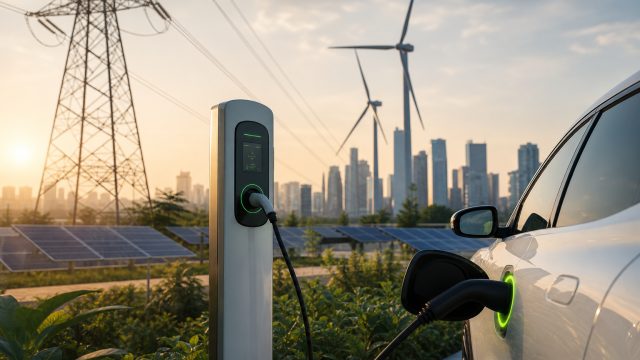
The shift towards electric vehicles (EVs) represents a pivotal move in the global effort to combat climate change. However, recent studies highlight that grid inequalities are obstructing progress in EV adoption and, consequently, emission reductions. This issue has become increasingly urgent as governments and industries work towards ambitious sustainability goals.
The Impact of Grid Inequality on EV Accessibility
Grid inequality, which refers to the disparities in energy infrastructure, access, and reliability across different regions, poses a significant barrier to the widespread adoption of electric vehicles. Many urban areas have made advancements in EV infrastructure, while rural regions often lag behind, limiting access for potential EV users.
Urban vs. Rural Disparities
- Urban Advantages: Urban centers typically have more charging stations, better energy reliability, and incentives for EV buyers.
- Rural Challenges: Rural households face higher costs and limited access to charging facilities, creating a hesitance to adopt EVs.
- Distribution of Resources: The uneven development of renewable energy sources and charging infrastructure exacerbates this inequality.
Why Now Is the Time to Act
The urgency to address these grid inequalities has never been greater. With the global push for net-zero emissions by 2050 and rising fuel prices, it is essential to create a conducive environment for electric vehicle adoption. Initiatives to enhance charging infrastructure and energy access are critical in this regard.
Government Initiatives
Several governments worldwide have begun to recognize the importance of equitable energy distribution:
- Investment in Infrastructure: Increased funding for charging stations in underrepresented areas.
- Incentives for Consumers: Programs aimed at making EVs more affordable for low-income households.
- Partnerships with Private Sector: Collaborations to enhance the development of renewable energy sources.
The Role of Renewable Energy in Bridging Gaps
Transitioning to renewable energy sources can play a transformative role in resolving grid inequalities. By prioritizing solar, wind, and other sustainable energy solutions, regions with limited traditional energy access can benefit.
Benefits of Renewable Energy Adoption
- Decentralized Energy Production: Local energy generation reduces dependence on distant power sources.
- Cost-Effectiveness: Renewable energy can lower long-term energy costs for consumers.
- Environmental Impact: Decreasing greenhouse gas emissions aligns with global sustainability goals.
Innovative Solutions for Charging Infrastructure
To truly pave the way for widespread EV adoption, innovative solutions for charging infrastructure must be pursued. These solutions address not only the current limitations but also anticipate future demand.
Emerging Technologies
- Wireless Charging: Elimination of physical charging stations through advanced technology.
- Fast Charging Solutions: Development of ultra-fast charging stations to reduce wait times.
- Mobile Charging Units: Deployment of mobile units in underserved areas to provide immediate access.
Conclusion: A Collaborative Path Forward
As we move forward, a collaborative effort among governments, private sectors, and communities is essential to address grid inequalities and boost electric vehicle adoption. By prioritizing equitable access to charging infrastructure and sustainable energy, we can ensure that the benefits of electric vehicles reach all corners of society. The time to act is now, as the path to a greener future hinges on making electric vehicles accessible to everyone.
