

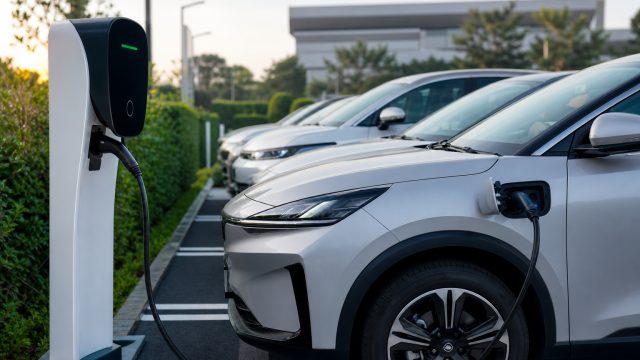
In a significant move that underscores the rapid growth of the electric vehicle (EV) industry, renowned Chinese automaker DFSK is intensifying its efforts to capture market share in Southeast Asia. With the global shift towards sustainable transportation gaining momentum, this expansion is not only timely but essential for both the company and the region's environmental goals.
Understanding DFSK's Strategic Push
DFSK, which has made a name for itself in manufacturing affordable and reliable vehicles, is now setting its sights on Southeast Asia. Their strategy involves not just increasing sales of electric vehicles but also enhancing local production capabilities. By doing so, they aim to cater to the growing demand for environmentally friendly transport solutions in the region, which is anticipated to surge in the coming years.
Why Southeast Asia?
The choice of Southeast Asia for this strategic expansion is driven by several factors:
- Rising Demand: With increasing awareness of climate change and air pollution, Southeast Asian countries are seeing a greater push for EV adoption.
- Government Incentives: Many governments in the region are implementing policies that support EV infrastructure, making it a conducive environment for expansion.
- Growing Economy: As economies grow, so does the purchasing power of consumers, opening doors for affordable EVs.
Innovative Product Offerings
To appeal to the diverse consumers of Southeast Asia, DFSK is introducing a range of electric vehicles tailored to meet local needs. This includes compact cars that are ideal for urban commuting and larger models suited for families. Additionally, the company is enhancing its charging infrastructure to ensure convenience for users.
Focus on Affordability and Accessibility
One of the core principles driving DFSK’s expansion is the commitment to affordability. By keeping costs down, they aim to make EVs accessible to a larger segment of the population. This strategy will not only bolster DFSK's market presence but also contribute to the wider goals of reducing carbon footprints across the region.
Challenges Ahead
While the prospects appear promising, DFSK must navigate several challenges as it makes this ambitious push into the Southeast Asian market. These include:
- Competition: The EV market is becoming saturated, with numerous brands vying for consumer attention.
- Infrastructure Development: The success of EVs hinges on the adequacy of charging stations and support systems.
- Consumer Education: Many potential buyers are still unfamiliar with EV technology and its benefits.
Strategies for Overcoming Challenges
To address these obstacles, DFSK is focusing on:
- Partnerships: Collaborating with local governments and businesses to build charging infrastructure.
- Marketing Campaigns: Educating consumers about the advantages of owning EVs through various marketing initiatives.
- Innovation: Investing in research and development to continue improving EV technology and features.
The Future of DFSK in Southeast Asia
DFSK's ambitious expansion plan in Southeast Asia is not just about increasing sales but about shaping the future of transportation in the region. By prioritizing sustainability and innovation, they are positioning themselves as leaders in the EV market. As consumers become more environmentally conscious, the demand for affordable and efficient electric vehicles will only grow.
Conclusion: A Call to Action
The automotive landscape in Southeast Asia is changing rapidly, and DFSK is at the forefront of this transformation. As they ramp up their efforts, consumers, businesses, and governments alike have a unique opportunity to engage with this shift towards green technology. Embracing electric vehicles is not just a personal choice; it is a collective step towards a sustainable future. Let's support and welcome the changes that come with this exciting era in the automotive industry.
