

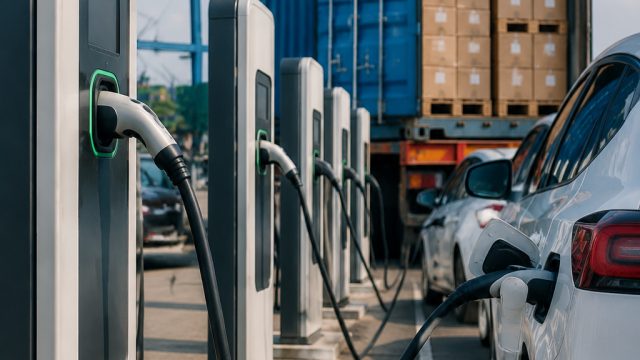
The Dynamics of the EV Charging Equipment Supply Chain
The electric vehicle (EV) revolution is not just changing the way we drive; it’s also reshaping supply chains across various industries. As manufacturers of EV charging equipment look to penetrate global markets, understanding the complexities of the supply chain becomes imperative.
Supply Chain Components for EV Charging Equipment
The supply chain for EV charging equipment is multifaceted, involving raw material suppliers, component manufacturers, and logistics providers. Efficient management of these components is crucial for meeting the growing global demand.
Opportunities for Manufacturers in the Export Market
As demand for EV charging solutions rises, manufacturers have a unique opportunity to leverage this trend. By focusing on strategic exports, businesses can enhance their profitability while contributing to a more sustainable future.
Key Considerations for Exporting EV Charging Equipment
To successfully navigate the export landscape, manufacturers must consider several factors:
1. Product Innovation
Staying ahead of technological advancements is vital. Manufacturers should invest in developing products that are not only compliant with international standards but also offer enhanced features for users.
2. Market Adaptation
Different markets have unique requirements. Understanding local preferences and regulations is crucial for tailoring products to meet specific needs.
3. Efficient Logistics
Streamlining logistics can significantly reduce costs and improve delivery times. Collaborating with reliable shipping partners is essential for ensuring timely and safe transport of equipment.
Building Strong B2B Relationships
In the B2B sector, relationships matter. Manufacturers should focus on establishing strong partnerships with distributors and retailers in target markets. Networking at industry events and trade shows can also help in identifying potential collaborators.
Conclusion: Embracing Export Opportunities in the EV Market
The landscape for EV charging equipment is evolving, presenting exciting opportunities for manufacturers willing to embrace exports. By understanding the supply chain dynamics and focusing on innovation, manufacturers can position themselves for success in this burgeoning market.
