

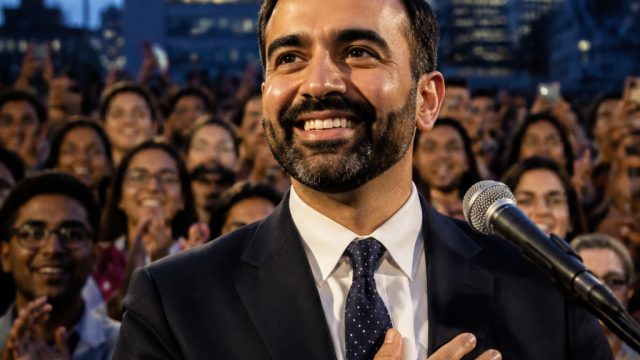
The recent Democratic primary elections in New York have witnessed a remarkable shift as candidates backed by political activist Mamdani achieved a sweeping victory. This development is not just a win for the selected candidates but signals a significant realignment within the party that could reshape the future of New York politics.
Understanding Mamdani's Role in the Primaries
Mamdani, who has emerged as a prominent figure in the political landscape of New York, has effectively positioned himself as a kingmaker. His endorsement and strategic support have propelled several candidates to victory, raising eyebrows and sparking discussions about the implications for the Democratic Party.
The Power of Endorsement
Endorsements can significantly influence voter behavior, and Mamdani's backing seems to have resonated strongly with the electorate. The candidates he supported not only won their respective primaries but did so with substantial margins. This power of endorsement showcases how a well-organized campaign can mobilize grassroots support, especially among younger voters.
Election Outcomes and Their Significance
This primary cycle has resulted in the advancement of candidates who are viewed as more progressive, often aligning with Mamdani's values. The victories highlight a shift towards a more left-leaning agenda within the party—one that prioritizes issues such as social justice and equity over traditional Democratic policies.
Key Victories
- Brad Lander's triumph over incumbent Dan Goldman in NY-10 signifies a rejection of moderate policies.
- Several candidates advocating for progressive reforms have secured victories, enhancing Mamdani's influence.
The Future of the Democratic Party in New York
As the dust settles from the primaries, questions arise about the trajectory of the Democratic Party in New York. Will Mamdani's candidates maintain their momentum heading into the general elections? The results suggest a potential shift in party dynamics, as constituents express a desire for more progressive representation.
Challenges Ahead
Despite the victories, challenges loom on the horizon. Candidates will need to unify a diverse party base and address the varying concerns of constituents to succeed in the general election. The reception of these candidates by the broader electorate remains uncertain, especially as they prepare to face Republican opponents who are eager to capitalize on any division within the Democratic ranks.
The Broader Political Landscape
This primary election isn't an isolated event; it reflects a broader national trend of progressive candidates gaining traction. As political landscapes shift across the country, New York stands at the forefront, showcasing how local elections can influence national politics.
Implications for Future Elections
The outcomes of these primaries will undoubtedly influence future electoral strategies, both for the Democratic Party and their rivals. Mamdani's success highlights the potential for grassroots movements to disrupt established political norms and reshape policy agendas. As the general elections approach, all eyes will be on how these newly elected officials meet the expectations of their constituents and navigate the complex political landscape.
Conclusion: A New Era for New York Politics
The clean sweep of Mamdani-backed candidates marks a pivotal moment in New York's political history. It raises pertinent questions about voter priorities and the future direction of the Democratic Party. As these candidates gear up for the general elections, their ability to maintain momentum and unite voters could determine not only their political futures but the broader implications for progressive politics in the U.S. This election cycle is one to watch, as it may set a precedent for future contests nationwide.
