

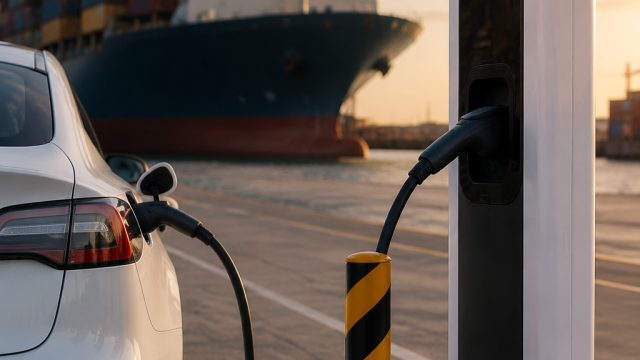
Introduction to the EV Charging Equipment Export Market
The electric vehicle (EV) industry is experiencing exponential growth, and with it, the demand for EV charging equipment is skyrocketing. As countries strive for sustainability and a reduction in carbon emissions, manufacturers and suppliers of EV charging solutions are at the forefront of this global transformation. In this article, we will delve into how the export market for EV charging equipment is changing and what that means for B2B businesses worldwide.
The Rise of Electric Vehicles Worldwide
The transition to electric vehicles is not just a trend but a necessity as governments implement stricter regulations to combat climate change. With major automotive companies pledging to electrify their fleets, the need for robust charging infrastructure has never been greater. This surge in demand creates significant opportunities for manufacturers and suppliers involved in the export of EV charging equipment.
Understanding the B2B Landscape
For companies engaged in the B2B space, exporting EV charging equipment can be lucrative. B2B transactions often involve larger quantities and longer-term partnerships, which can lead to more predictable revenue streams. Businesses looking to enter this market should focus on building strong relationships with manufacturers and distributors while understanding the nuances of global trade.
Key Players in the EV Charging Equipment Export Industry
The export of EV charging equipment involves various key players, including manufacturers, wholesalers, and distributors. Manufacturers are responsible for the production of charging stations, connectors, and other essential components. Wholesalers often purchase bulk quantities from manufacturers to supply distributors who then sell to end-users. Understanding the roles of these players is crucial for navigating the global supply chain effectively.
Challenges in Exporting EV Charging Equipment
While the export market for EV charging equipment presents numerous opportunities, it is not without challenges. Regulatory compliance, trade tariffs, and varying standards across countries can complicate the export process. Moreover, ensuring the quality and reliability of products is paramount as businesses seek to establish credibility in the marketplace. Companies must stay informed about these challenges and take proactive measures to overcome them.
Strategies for Successful Exporting
To successfully export EV charging equipment, businesses should adopt strategies that emphasize quality, compliance, and customer service. Investing in research and development can lead to innovative products that meet international standards. Additionally, forming strategic partnerships with local suppliers in target markets can ease the entry process and enhance credibility.
The Future of EV Charging Equipment Exports
As the global demand for electric vehicles continues to grow, so too will the market for EV charging equipment. Companies that position themselves as reliable suppliers and manufacturers will benefit significantly as they tap into emerging markets. The future looks bright for those willing to adapt and innovate in the ever-evolving landscape of global trade.
Conclusion
The EV charging equipment export market is a dynamic and rapidly growing sector. For B2B suppliers and manufacturers, understanding the intricacies of global trade, building strong relationships, and maintaining product quality will be essential for success. As we move towards a more sustainable future, the role of EV charging infrastructure will undoubtedly be pivotal in shaping the global economy.
