

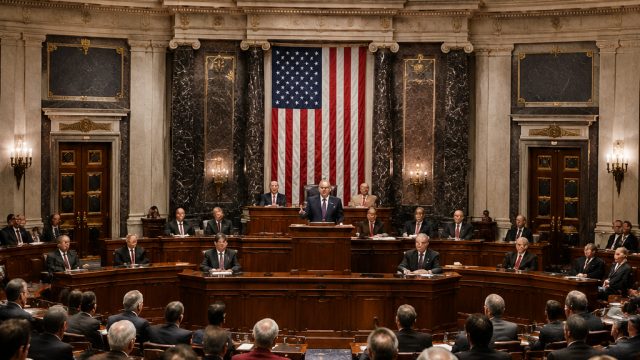
In a significant political move, the US Senate has voted to direct President Trump to conclude military hostilities with Iran. This resolution reflects growing bipartisan concern regarding the potential escalation of conflict in the Middle East. The implications of this action resonate deeply within the context of US foreign policy and global diplomacy.
The Background of Senate Involvement
The Senate's recent decision comes on the heels of rising tensions between the US and Iran, particularly following a series of military actions that have heightened fears of an armed confrontation. Lawmakers are increasingly aware of the public's desire for a diplomatic resolution rather than continued military engagement.
Growing Public Sentiment
- Public protests against military action have surged.
- Polling indicates a majority of Americans favor diplomacy over warfare.
- Social media campaigns advocating for peace are trending.
The Senate's resolution is not merely a legislative formality; it represents a broader understanding among constituents that the ramifications of war can be devastating and long-lasting.
Details of the Resolution
The resolution explicitly limits the President's ability to engage in military action against Iran without obtaining Congressional approval. This legislative check aims to restore the balance of power between the executive and legislative branches regarding war powers, a contentious issue in American politics.
Key Provisions of the Resolution
- Preventing unauthorised military actions against Iran.
- Requiring Congressional approval for any military engagement.
- Promoting diplomatic efforts to resolve tensions.
By laying down these provisions, the Senate hopes to curb any impulsive military strategies that could lead to further conflict.
The Broader Implications for US Foreign Policy
This resolution could signify a pivotal shift in how the US approaches its foreign policy, particularly in the Middle East. With the international community closely watching, the Senate's stance may influence how allies and adversaries perceive America's commitment to peaceful diplomacy.
Potential Outcomes
- Increased diplomatic engagement with Iran and other Middle Eastern nations.
- Potential reevaluation of existing sanctions and military postures.
- Stronger ties with allies who prioritize diplomatic solutions.
The direction taken by the Senate will not only affect US-Iran relations but could also set a precedent for future conflicts globally.
Conclusion: A Call for Reflection
The Senate's resolution serves as a crucial reminder that military action is not the only path to resolving international disputes. It invites a collective reflection on the importance of diplomacy, dialogue, and the need for a careful consideration of the consequences that military decisions can unleash.
As the situation develops, it is imperative for the public, lawmakers, and international stakeholders to engage in open dialogues and advocate for peaceful resolutions, ensuring that history does not repeat its costly mistakes.
