

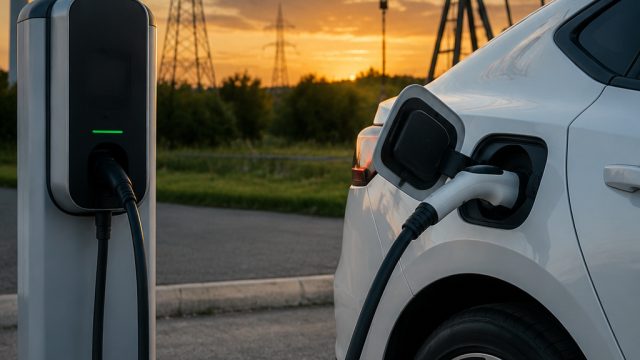
In a significant shift, global energy prices have seen a decrease, with crude oil dipping below $76 per barrel, approaching levels last recorded before recent geopolitical tensions. As we navigate these changes, it's crucial to understand how this trend will affect the electric vehicle (EV) charging industry and related sectors.
The Current State of Energy Prices
The recent fall in oil prices is attributed to a combination of increased production and decreased demand in various regions across the globe. This dip not only affects traditional energy markets but also has broader implications for the EV sector, particularly in terms of operational costs for EV charging stations and the attractiveness of electric vehicles compared to fossil fuel alternatives.
Market Dynamics Behind the Price Drop
- Increased Production: Major oil-producing nations have ramped up output to stabilize the market.
- Shifts in Demand: As more consumers opt for electric vehicles, the overall demand for gasoline has softened.
- Global Economic Factors: The economic recovery from the pandemic has led to fluctuating energy needs across industries.
Impact on Electric Vehicle Charging Infrastructure
As traditional energy costs decline, EV manufacturers and charging station operators are faced with unique challenges and opportunities. Here’s how the shift in energy prices can influence the EV charging landscape:
Cost Implications for Charging Stations
Lower energy prices may lead to reduced operational costs for charging stations, which could translate to lower prices for consumers. This pricing strategy could make EV ownership even more appealing, particularly for those who are on the fence about switching from gasoline vehicles.
Consumer Behavior Shifts
With the ongoing decline in energy prices, consumers may rethink their choices regarding transportation. The affordability of charging electric vehicles could drive up sales and stimulate the need for more charging infrastructure. Here are some potential shifts in consumer behavior:
- Increased Interest in EVs: Lower costs could encourage more consumers to consider electric vehicles as a viable option.
- Enhanced Charging Solutions: As demand increases, the push for advanced charging technology that offers faster and more efficient options will be critical.
- Shift from Traditional Fuels: As prices for conventional fuels decrease, it’s essential for EV stakeholders to emphasize the long-term savings and environmental benefits of electric vehicles.
Renewable Energy's Role in the Future
The recent developments in energy prices highlight the growing importance of renewable sources of energy. As consumers and manufacturers pivot towards sustainability, the landscape of energy consumption is set to evolve. Key considerations include:
Investments in Renewable Infrastructure
The decline in oil prices could encourage investments in renewable energy sources such as solar and wind, which can be integrated further into EV charging stations:
- Solar-Powered Charging: Charging stations utilizing solar energy can operate independently from traditional energy grids.
- Battery Storage Solutions: Innovations in battery technology will allow for better energy storage, optimizing the use of renewable energy.
Government Incentives
As the government seeks to promote clean energy solutions, we expect to see further incentives aimed at expanding EV infrastructure and renewable energy initiatives. These incentives can take many forms:
- Tax Credits: Financial benefits for consumers who switch to EVs and for businesses that invest in charging stations.
- Subsidies for Renewable Energy: Increased funding for the development of renewable energy sources and technologies.
Conclusion: Preparing for an Evolving Market
The recent drop in global energy prices is more than just a temporary statistic; it represents a transformative moment for the EV charging sector. As prices stabilize, manufacturers, consumers, and policymakers must collaborate to ensure the growth of electric vehicles and the infrastructure support they require. By adapting to these changes, stakeholders can harness the benefits of a shifting market, ultimately paving the way for a more sustainable and electrified future.
