

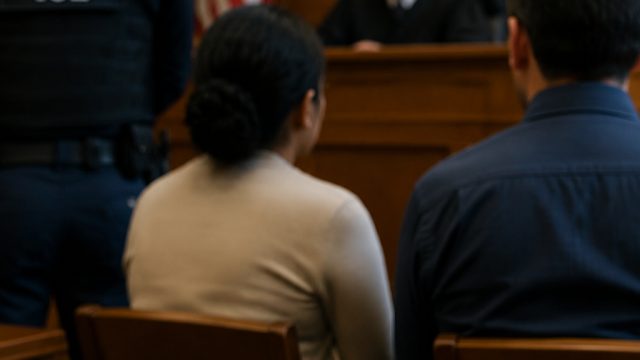
A recent federal court decision has brought significant changes to the operations of U.S. Immigration and Customs Enforcement (ICE) within immigration courts. This ruling, stemming from a class-action lawsuit filed in California, restricts ICE's ability to carry out arrests in these legal settings, prompting reactions from various stakeholders. Understanding the implications of this ruling is critical for those involved in immigration proceedings and advocacy.
The Background of the Lawsuit
The class-action lawsuit was initiated by several advocacy groups that argued that the practice of ICE making arrests in immigration courts undermined the justice process and violated due process rights. The plaintiffs highlighted instances where individuals were apprehended while seeking legal recourse or during hearings, creating a chilling effect that deterred others from seeking justice in the system. This raised serious concerns about the fairness of immigration proceedings and the safety of individuals seeking legal protection.
Key Findings of the Court
The federal judge, in delivering the ruling, underscored that immigrants should not fear arrest while attempting to navigate the legal system. The court's findings suggested that ICE's practices in immigration courts could be classified as a violation of due process, as they did not allow individuals the opportunity to fully advocate for their cases. This ruling is projected to set a precedent, affecting how ICE operates within these courts across the nation.
The Immediate Impact on Immigration Processes
This decision is expected to have immediate ramifications for ongoing immigration cases and procedures. Here are several key effects:
- Increased Confidence Among Immigrants: With the ruling in place, immigrants may feel more secure in attending court hearings, knowing they are less likely to be arrested during the process.
- Changes in ICE's Protocol: ICE will need to revise its operational protocols in immigration courts, focusing on compliance with the new legal standards set by the ruling.
- Potential for More Appeals: Attorney advocates may see a rise in cases as immigrants feel more empowered to seek legal recourse.
Broader Implications for Immigration Policy
This ruling might also indicate a shift in how immigration policy is approached at both federal and state levels. Legal experts suggest that the decision could influence pending legislation and future legal interpretations surrounding immigration law. Lawmakers may find renewed discussions on the balance between enforcement and rights, as this ruling raises critical questions about the ethical responsibilities of law enforcement agencies.
Reactions from Advocacy Groups and Legal Experts
The response to the ruling has been overwhelmingly supportive from human rights organizations and immigration advocates. Groups such as the American Civil Liberties Union (ACLU) have lauded the decision, viewing it as a critical step toward safeguarding the rights of immigrants.
Statements from Advocacy Groups
Various organizations have issued statements highlighting the importance of this ruling:
- ACLU: "This ruling recognizes the fundamental rights of individuals in immigration court. It is a major victory for justice and accountability."
- National Immigration Law Center: "The decision reinforces the need for humane treatment of immigrants and affirms that the courtroom should be a place of refuge, not fear."
Conclusion: A Turning Point for Immigration Courts
This landmark ruling serves as a pivotal moment in the ongoing discourse surrounding immigration enforcement and legal rights. As the nation grapples with the complexities of immigration policy, the impacts of this decision will resonate far and wide, shaping how similar cases are handled in the future. Stakeholders, from judges to advocacy groups, will need to adapt to these changes in order to promote a fairer and more just system. The ruling not only underscores the importance of legal protections for immigrants but also signals a potential shift toward reform in immigration practices across the country.
