

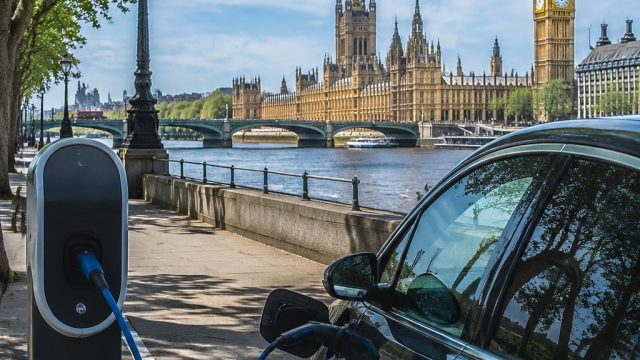
Recent research from Imperial College London has unveiled a promising trend: deaths attributed to air pollution in the city have decreased by an estimated 40% over the past five years. This decline reflects the successful implementation of various environmental policies, particularly the ultra-low emission zone (ULEZ) initiated by Mayor Sadiq Khan. As urban areas worldwide grapple with air quality issues, London's progress stands as a significant example of effective public health intervention.
The Impact of the Ultra-Low Emission Zone
The ULEZ was designed to reduce emissions from vehicles that contribute to air pollution. This initiative has not only improved the quality of the air but has also generated a profound impact on public health in the city. With more stringent regulations on older, more polluting vehicles, the traffic dynamics in London have transformed, leading to clearer skies and a healthier environment.
Key Outcomes of the ULEZ
- Lower Emissions: A significant reduction in nitrogen dioxide and particulate matter levels.
- Improved Public Health: Fewer hospital visits related to respiratory and cardiovascular diseases.
- Increased Awareness: Heightened community awareness regarding environmental issues and individual health.
Understanding the Broader Health Implications
The decrease in pollution-related deaths is encouraging, but it's important to recognize that the remaining pollution levels still pose serious health risks. Researchers at Imperial College have highlighted that the adverse effects of air pollution might be worse than previously understood. Even with the recent improvements, Londoners are still exposed to pollutants that can lead to long-term health challenges.
What This Means for Residents
For London residents, the findings underscore the importance of ongoing efforts to combat air pollution. While the statistics indicate a positive trajectory, continued advocacy and policy changes are necessary to maintain this momentum. The city must not become complacent, as air quality issues can quickly reverse without consistent action.
Calling for Continued Action and Awareness
As London's air quality improves, the conversation around urban pollution needs to expand. Other cities facing similar challenges can draw lessons from London's experience, incorporating effective measures to protect their populations. This moment presents an opportunity for cities worldwide to evaluate their approaches to air quality management, emphasizing preventive measures rather than reactive policies.
Recommendations for Other Cities
- Implement Emission Controls: Adopt measures similar to London's ULEZ to restrict high-polluting vehicles.
- Encourage Public Transport Usage: Invest in robust public transportation systems to reduce individual car usage.
- Promote Green Spaces: Increase access to parks and green areas, which can naturally improve air quality.
Conclusion: A Step Forward in Public Health
The decline in air pollution-related deaths in London symbolizes a pivotal achievement in public health and environmental policy. As the city continues to take steps toward cleaner air, it is essential for both citizens and policymakers to prioritize air quality initiatives. The ongoing fight against pollution requires collective effort, vigilance, and innovation to ensure that this positive trend continues and that all urban residents can breathe easier.
