

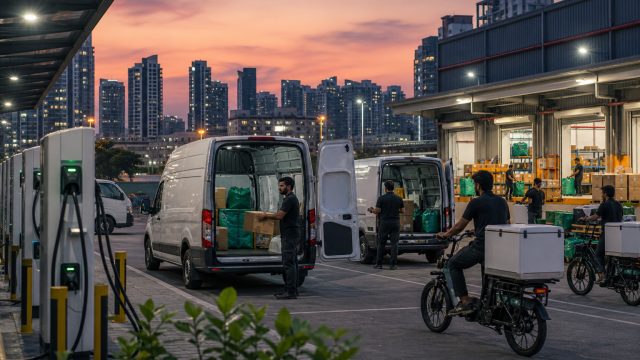
Flipkart's Strategic Growth in Quick Commerce
In a significant move that is set to redefine the e-commerce landscape in India, Flipkart has recently surpassed the milestone of 1,000 micro-fulfillment centers. This expansion comes at a critical time as Amazon, its primary competitor, enhances its own quick-commerce strategies within the nation.
The Quick Commerce Surge
Quick commerce, a model that focuses on delivering products to consumers in a matter of minutes, has become increasingly vital for e-commerce platforms striving to meet consumer demand for speed and convenience. Flipkart's latest initiatives aim to capitalize on this trend, offering customers quicker access to a broad array of products.
Why Now? The Demand for Speed
The pandemic has fundamentally altered shopping habits, with consumers gravitating towards services that promise rapid delivery. According to recent market analysis, the demand for quick commerce solutions is higher than ever. Customers expect near-instantaneous delivery for everyday items, and companies that can meet this demand will likely dominate the market.
Flipkart's Expansion Strategy
Flipkart’s strategy hinges on establishing micro-fulfillment centers strategically positioned across urban areas. This network allows for efficient logistics and a streamlined supply chain, ensuring that products can be dispatched within minutes of an order being placed. Here are some key elements of Flipkart’s expansion strategy:
- Location Selection: Centers are strategically placed to maximize reach and minimize delivery times.
- Partnerships: Collaborations with local suppliers enhance product availability and support community businesses.
- Technological Integration: Utilizing advanced logistics technologies to optimize inventory and delivery processes.
Investment in Infrastructure
To support this ambitious push, Flipkart is investing heavily in its infrastructure. The company aims to create a seamless shopping experience that not only meets but exceeds customer expectations. This includes upgrading warehousing facilities and enhancing last-mile delivery capabilities.
Competitive Landscape: Flipkart vs. Amazon
As Flipkart accelerates its growth in the quick commerce space, Amazon is also intensifying its efforts. The competition between these two giants is fierce, with both companies exploring various strategies to capture the rapidly growing Indian market. Some of the tactics include:
- Innovative Technology: Both companies are leveraging data analytics and machine learning to predict consumer behavior and optimize delivery routes.
- Customer Engagement: Enhanced loyalty programs and personalized marketing strategies are being deployed to attract and retain customers.
- Expanding Product Lines: Both retailers are diversifying their product offerings to cater to a broader audience.
The Role of Customer Experience
Customer satisfaction is at the forefront of this competition. Companies must provide not only speedy delivery but also exceptional service. Flipkart has implemented multiple customer service channels, ensuring that inquiries and issues are resolved promptly. This commitment to customer experience is crucial in retaining loyalty in a crowded market.
The Future of Quick Commerce in India
The rise of quick commerce in India represents a pivotal shift in consumer behavior and retail operations. As Flipkart and Amazon continue to battle for supremacy, we can expect to see further innovations and improvements in service delivery. The future of retail could very well depend on how effectively these giants can adapt to an ever-evolving market landscape.
Conclusion
Flipkart's recent expansion into quick commerce is a bold step towards capturing a significant market share as consumer demands evolve. With Amazon also pushing forward, the competition is set to benefit consumers greatly through enhanced services and innovations. Companies that prioritize rapid fulfillment and customer satisfaction will lead the charge in the future of e-commerce in India.
