

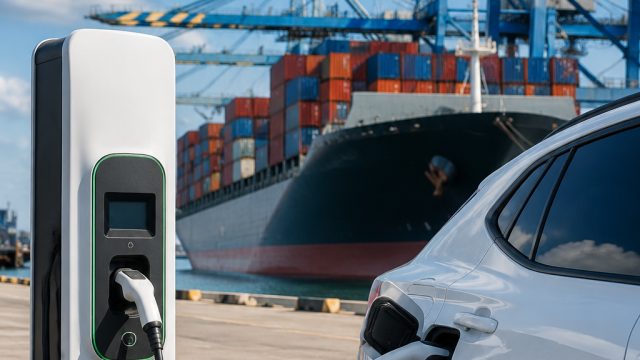
Navigating the EV Charging Equipment Supply Chain: Export Strategies for Success
As electric vehicles gain momentum worldwide, the demand for EV charging equipment continues to rise. Manufacturers and suppliers looking to export their products face unique challenges, particularly when it comes to managing the supply chain effectively. This article delves into key strategies that can help companies navigate the complexities of exporting EV charging equipment and finding success in the global marketplace.
Understanding the Supply Chain Dynamics
Supply chain management is critical in ensuring the timely delivery of EV charging equipment to international markets. Manufacturers must understand the entire supply chain process, from sourcing materials to distribution. This involves coordinating with suppliers, logistics providers, and customers to create a seamless flow of goods and information. Efficient supply chain practices reduce lead times and costs, ultimately enhancing customer satisfaction.
Compliance and Certification
Exporting EV charging equipment requires adherence to various compliance standards and certifications specific to destination countries. Failure to comply with these regulations can result in costly delays and reputational damage. Manufacturers should conduct thorough research to understand the compliance landscape in each target market. Obtaining necessary certifications, such as UL and ISO, not only facilitates smoother exports but also reassures customers regarding product reliability and safety.
Tailored Marketing Approaches for B2B Trade
In the B2B landscape, marketing strategies must be tailored to address the unique needs of business customers. Understanding the specific challenges faced by potential clients in adopting EV technology will enable manufacturers to position their products effectively. Developing targeted content that highlights the value and performance of EV charging equipment can engage decision-makers and foster trust. Leveraging online platforms for B2B marketing, such as LinkedIn and trade associations, can also expand a company’s reach.
Building Robust Partnerships
Sourcing reliable partners is vital for manufacturers looking to succeed in exporting EV charging equipment. Establishing strong relationships with local distributors, retailers, and service providers can enhance a company’s presence in foreign markets. These partnerships can provide crucial insights into market trends, consumer preferences, and competitive landscapes, aiding manufacturers in making informed decisions.
Emphasizing Sustainability
Sustainability is becoming an essential factor in the purchasing decisions of businesses and consumers alike. Manufacturers should emphasize the eco-friendly aspects of their EV charging equipment, such as energy efficiency and reduced carbon footprint. Incorporating sustainable practices into manufacturing and packaging can create a competitive advantage in the market. Highlighting these commitments in marketing materials can resonate with customers looking to invest in environmentally responsible technology.
Conclusion: Building a Future-Ready Export Strategy
To thrive in the growing EV charging equipment export market, manufacturers must develop a comprehensive strategy that encompasses supply chain management, compliance, tailored marketing, and strong partnerships. By adopting these strategies, companies can unlock new opportunities in global trade while contributing to the advancement of sustainable transportation. The future is electric, and with the right approach, your business can lead the charge in this dynamic industry.
