

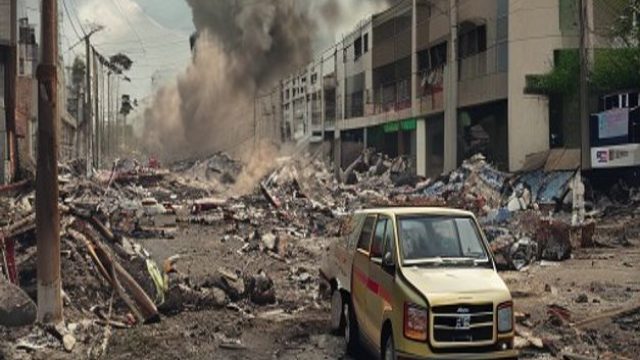
On the evening of March 12, 2023, Venezuela experienced a significant seismic event, registering a magnitude of 7.1. This powerful earthquake shook the capital city of Caracas, leaving buildings swaying and prompting widespread alarm among residents. The aftermath of this disaster has raised critical questions regarding the safety of infrastructure and the nation's preparedness for natural disasters.
The Impact of the Earthquake
The tremors from the earthquake were felt across a vast region, with reports indicating that many buildings in Caracas experienced structural damage. Citizens described chaotic scenes as people rushed into the streets, fearful of aftershocks. Emergency services were quickly dispatched to assess the damage and respond to potential injuries.
Immediate Response by Authorities
- Emergency services activated to conduct search and rescue operations.
- Local hospitals reported a surge in patients, primarily due to panic and minor injuries.
- Government officials urged residents to stay vigilant and prepared for aftershocks.
Infrastructure Concerns
The earthquake's intensity has brought to light ongoing concerns about building codes and construction practices in Venezuela. Many structures in the capital were built without adhering to modern seismic standards, raising fears about their ability to withstand such natural disasters.
Community Resilience and Solidarity
The earthquake has galvanized community efforts, with citizens coming together to assist those affected by the disaster. Neighborhood organizations and local volunteers have mobilized to distribute food, water, and essential supplies to those in need.
Support Networks in Action
- Community centers opened their doors to provide shelter for displaced families.
- Fundraising initiatives launched to support recovery efforts.
- Local businesses joined forces to donate supplies and resources to relief efforts.
Looking Ahead: A Call for Preparedness
The recent earthquake serves as a critical reminder of the importance of earthquake preparedness in Venezuela and the surrounding regions. Experts emphasize the need for improved building regulations, public education on emergency response, and the establishment of comprehensive disaster management plans.
Steps Toward a Safer Future
- Implementing rigorous building codes that adhere to seismic safety standards.
- Conducting regular emergency drills for schools and workplaces.
- Creating public awareness campaigns about earthquake preparedness and response.
Conclusion
The recent earthquake in Venezuela is a wake-up call for the nation. As recovery efforts continue, it is imperative for government authorities and communities alike to prioritize safety and develop robust plans to mitigate the impact of future disasters. By fostering a culture of preparedness and resilience, Venezuela can better protect its citizens and infrastructure against the unpredictable forces of nature.
