

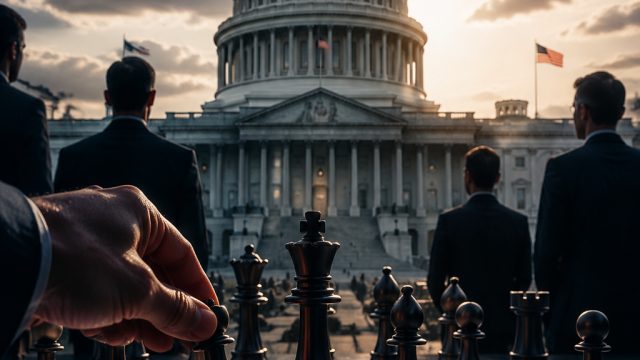
The recent Democratic primary for New York's 12th congressional district has become a focal point for understanding the evolving relationship between technology and politics. With over $24 million spent, this contest is not just another election; it reflects how deeply intertwined tech interests have become with political campaigns. As we analyze this pivotal moment, it's crucial to recognize why this situation matters now more than ever.
The Financial Surge: A New Norm in Political Campaigning
In a stunning display of financial power, pro- and anti-AI groups significantly influenced the outcome of this congressional race. The influx of $24 million marks a record for such contests in New York, indicating a shift towards tech-driven funding in politics. This enormous spending spree underscores the urgency of understanding how these financial dynamics shape voter perspectives and candidate viability.
Impact on Candidates and Voter Perception
Candidates like Alex Bores, who have taken a stance on critical issues like AI regulation, have become the target of heavy spending from opposing factions. For instance, pro-AI PACs invested more than $8 million to counter Bores, reflecting a calculated strategy to install candidates aligned with their interests. Such aggressive financial backing raises pertinent questions about the integrity of democracy and the representatives individuals elect.
- Massive financial influence can lead to a skewed representation of public interest.
- Voter decisions may be impacted by the advertising strategies funded by tech giants.
- The presence of substantial funding can deter grassroots candidates from competing effectively.
AI: The New Political Battleground
As artificial intelligence technology continues to evolve, its implications for society grow more complex. The recent election serves as a battleground for pro- and anti-AI narratives, with tech companies funding candidates who promise favorable regulations while opposing those who seek to impose stricter guidelines. This dichotomy not only reflects the contentious nature of AI but also highlights the need for informed voter engagement on such critical topics.
The Role of Technology in Shaping Legislative Outcomes
The significant spending in this election sends a clear message: technology is shaping the political landscape. Candidates are increasingly pressured to align their platforms with tech interests to secure funding and visibility. This, in turn, affects legislative outcomes as representatives may prioritize corporate agendas over constituent needs.
Future Implications for Elections Nationwide
The New York primary is likely to be a blueprint for future elections across the United States. The impact of tech funding on all levels of government is becoming more apparent, prompting calls for stricter campaign finance regulations and transparency. As this trend continues, voters must remain vigilant about the motives behind campaign spending.
What Can Citizens Do?
Engagement in the political process is crucial to counteract the overwhelming influence of money in elections. Here are some actionable steps voters can take:
- Educate themselves on candidates' positions regarding technology and its regulation.
- Participate in local meetings and forums to voice concerns about tech influence.
- Support organizations advocating for campaign finance reform.
Conclusion: The Need for Informed Democracy
The intersection of technology and politics is growing increasingly intricate, with implications that extend far beyond any single election cycle. As demonstrated by the recent New York congressional race, the significant financial sway of tech companies has the potential to reshape our democratic institutions. It is imperative for voters to stay informed and engaged in this evolving landscape, ensuring that their interests are represented amidst the powerful forces at play.
