

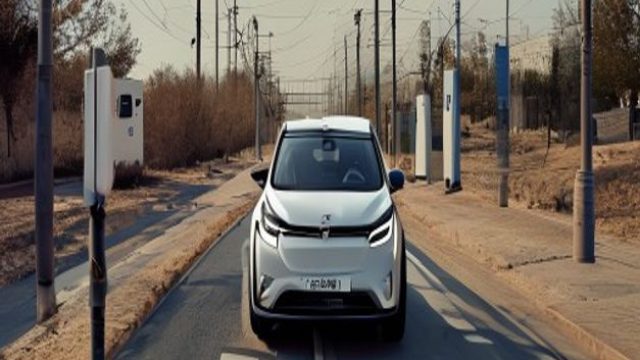
The transition to electric vehicles (EVs) is gaining momentum globally, but Israel is facing significant hurdles that threaten to stall its progress. As the government and private sectors push for a greener future, the lack of adequate charging infrastructure poses a significant challenge for both consumers and manufacturers. Understanding the pressing need for expansion and innovations in EV charging is critical now more than ever.
The Current State of EV Adoption in Israel
Israel has seen a notable increase in the adoption of electric vehicles, thanks to government incentives and a growing awareness of environmental issues. However, the enthusiasm for EVs is not matched by an equally robust network of charging stations. This imbalance hampers the convenience and practicality of owning an electric vehicle.
Statistics Highlighting the Gap
- As of 2023, more than 60,000 electric vehicles are registered in Israel.
- Only 1,200 public charging stations are available across the country.
- The government aims for 30% of all vehicles on the roads to be electric by 2030.
These statistics underscore a significant discrepancy that needs immediate attention to ensure Israel can reach its ambitious EV goals.
The Challenges of Insufficient Charging Infrastructure
The lack of charging stations in Israel poses several challenges for electric vehicle owners, including:
1. Range Anxiety
Many potential EV buyers experience range anxiety, fearing they will run out of charge before reaching their destination. Without a comprehensive charging network, this concern remains valid.
2. Limited Charging Stations
With only a fraction of the required charging stations in place, drivers often struggle to find available chargers, particularly during peak usage times. This scarcity can deter consumers from making the switch to electric vehicles.
3. Urban vs. Rural Disparities
While urban areas in Israel might have better access to charging stations, rural regions are significantly underserved. This urban-rural divide highlights the need for an equitable distribution of charging resources.
Innovative Solutions and Potential for Growth
To overcome these challenges, several innovative solutions and strategies can be implemented. Here’s how Israel can enhance its EV charging landscape:
1. Government Investment and Incentives
The government must bolster its investment in EV infrastructure, offering incentives for private companies to establish new charging stations. This can significantly accelerate the expansion of the network.
2. Partnerships with Private Sector
Collaboration with private businesses can lead to the development of charging stations in high-traffic locations such as shopping malls, gas stations, and parking facilities. Such partnerships can make charging more accessible.
3. Integration of Smart Technology
Integrating smart technology into charging stations can streamline the user experience. Features like mobile apps for locating nearby chargers, real-time availability updates, and contactless payments can enhance usability.
Conclusion: A Call to Action
The transition to electric vehicles is vital for Israel's environmental goals, yet the current state of the charging infrastructure is holding back progress. By addressing these challenges through innovative solutions, investment, and collaboration, Israel can pave the way for a sustainable automotive future.
As we look ahead to the next decade, the urgency to create a robust and accessible charging network cannot be overstated. Stakeholders across government, industry, and civil society must come together to ensure that Israel leads the charge in the electric vehicle revolution.
