

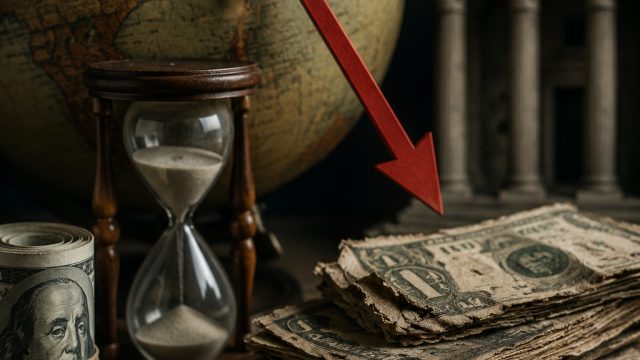
The concept of currency debasement is often relegated to the annals of economic history, but its implications resonate profoundly in today's financial landscape. As global economies grapple with unprecedented challenges, reflecting on past debasement practices can provide insight into current market trends and financial policies.
The Roots of Currency Debasement
Currency debasement refers to the reduction of the intrinsic value of money, typically through the lowering of the precious metal content in coins, or by increasing the money supply without backing it with corresponding assets. Historically, this practice was seen as a quick fix for economic woes, allowing governments to manage debts and stimulate growth. However, it often led to inflation and distrust in currency, raising questions about its long-term viability.
A Historical Perspective
- Ancient Rome: During times of crisis, Roman emperors often debased coins to fund military campaigns. This led to rampant inflation and a loss of public confidence.
- The Middle Ages: Various European monarchs resorted to altering the metal content of their currency, causing economic instability across the continent.
- Modern Times: The 20th century witnessed significant debasements, particularly during periods of war and political strife, highlighting the persistent nature of the problem.
Why This Matters Now
As we navigate through the complexities of the post-pandemic economy, the lessons learned from historical currency debasement can inform contemporary financial strategies. The recent strain on global supply chains and inflationary pressures have made it essential for governments and monetary authorities to consider their monetary policies carefully.
Modern Implications of Debasement
Today, central banks are faced with the challenge of balancing growth and inflation. The techniques employed in debasement, such as quantitative easing, mirror historical practices. With interest rates at historic lows and money supply expanding rapidly, the echoes of past debasements raise alarms about potential inflation and currency devaluation.
Recognizing the Signs of Currency Erosion
Identifying the early signs of potential currency debasement is crucial for investors and consumers alike. Here are some indicators to watch for:
- Rising Prices: A consistent increase in the prices of goods and services can signal inflation, often fueled by excessive currency printing.
- Public Sentiment: A growing distrust in the currency, as seen in various historical contexts, often results in people seeking alternative assets, such as cryptocurrencies or gold.
- Government Debt Levels: High national debt can lead to debasement as governments may resort to inflation as a means to manage repayment burdens.
Strategies for Safeguarding Assets
To protect investments from the effects of currency debasement, consider the following strategies:
- Diversification: Spread investments across various asset classes to mitigate risks associated with currency fluctuations.
- Invest in Commodities: Precious metals and other tangible assets often retain value during periods of currency instability.
- Focus on Real Assets: Real estate and infrastructures can act as a hedge against inflation and currency depreciation.
Conclusion: Lessons from the Past and Future Outlook
Understanding the historical context of currency debasement not only enriches our comprehension of economic history but also sharpens our perspective on current financial trends. As we move forward, the parallels between past practices and today's monetary policies underscore the necessity for vigilance in safeguarding our economies. In a rapidly changing financial world, learning from history could be the key to securing a stable future.
