

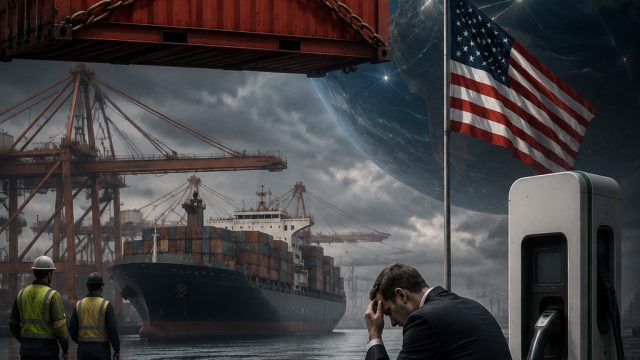
In a significant development in international trade, China has announced new export restrictions targeting ten American companies. This decision follows a series of measures imposed by the United States on various Chinese firms, marking a critical juncture in global economic relations. As businesses navigate these turbulent waters, understanding the implications of these restrictions becomes vital.
The Background of China-US Trade Relations
Trade relations between China and the United States have ebbed and flowed over the past few years, influenced by various geopolitical tensions and economic policies. The latest round of restrictions is a response to the US government's earlier actions that aimed to limit the operating capabilities of Chinese companies, particularly in technology and telecommunications sectors.
Key Timeline of Events
- Early June 2023: The US imposes restrictions on several Chinese technology companies.
- Late September 2023: China retaliates with export restrictions on ten US firms.
- Current Developments: Businesses are re-evaluating strategies in light of these changes.
Understanding the New Export Restrictions
The Chinese government has not disclosed all the specifics regarding which companies are impacted. However, the restrictions are believed to affect key players in sectors such as technology, defense, and advanced manufacturing. This move is seen as a strategic effort by China to protect its national interests and safeguard sensitive technologies.
Potential Impact on Affected Companies
For US companies caught in this web of restrictions, the implications are multifaceted:
- Supply Chain Disruptions: Firms may experience delays or increased costs due to restricted access to Chinese components.
- Market Uncertainty: Investors may become wary, leading to fluctuations in stock prices of affected firms.
- Innovation Stagnation: Limited access to Chinese technology could hinder research and development efforts.
The Broader Economic Consequences
The ripple effects of China's export restrictions extend beyond individual companies; they pose a threat to the broader economic landscape. As global supply chains become more fragmented, businesses worldwide might need to rethink their operational frameworks.
Global Trade Dynamics Shift
These restrictions contribute to a larger trend of decoupling in the global economy, where countries seek to limit dependence on foreign technology and resources. This shift can lead to:
- Increased Production Costs: Companies might incur higher expenses as they source materials from alternative countries.
- Investment Realignment: Firms may redirect investments towards domestic solutions or partner with other nations.
- Market Opportunities: New markets may emerge as businesses pivot to find viable alternatives to the restricted resources.
Strategic Responses from US Companies
As these challenges unfold, US companies are proactively looking for ways to adapt to the new reality. Some potential strategies include:
- Diversifying Supply Chains: Businesses are exploring new suppliers outside of China to mitigate risks.
- Enhancing Innovation: Companies may ramp up investment in R&D to create more independent solutions.
- Monitoring Policy Changes: Staying updated on international trade agreements can help firms anticipate further shifts.
Conclusion: The Importance of Staying Informed
The recent export restrictions imposed by China significantly alter the landscape for American businesses and international trade. Understanding these developments is crucial for companies aiming to navigate the complexities of global commerce effectively. As the situation continues to evolve, staying informed will be key to adapting to the changing market conditions. Companies should prioritize flexibility and innovation in their strategies to thrive amidst these challenges.
