

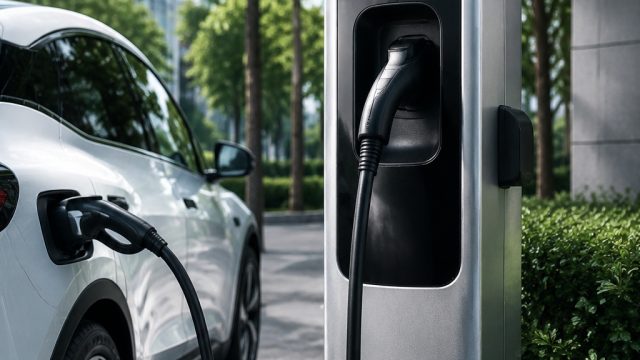
The electric vehicle (EV) market has gained substantial momentum, yet the success of its charging infrastructure hinges on one crucial factor: consumer trust. As electric vehicles continue to gain popularity, understanding the significance of consumer confidence in EV charging solutions has never been more critical. In this article, we explore how building trust can propel the EV industry forward and why this is particularly relevant today.
The Growing Demand for EV Charging Solutions
The transition to electric vehicles is fueled by a rising awareness of climate change and the need for sustainable transportation options. More consumers are considering EVs as viable alternatives to traditional gasoline-powered cars. However, the effective deployment of EV charging stations is paramount to support this shift. The demand for reliable and accessible charging infrastructure has never been higher, putting pressure on manufacturers and service providers to meet consumer expectations.
Current EV Adoption Trends
- Increased sales: Global EV sales surged by over 50% in the past year.
- Consumer awareness: Surveys indicate that a growing number of consumers are familiar with EV technology.
- Government incentives: Various governments are introducing incentives to promote EV adoption.
Why Consumer Trust Matters Now More Than Ever
As the EV market expands rapidly, consumer trust becomes a cornerstone of its sustainability. Today’s consumers are more informed than ever, demanding transparency, reliability, and security from the products they use. Here’s why fostering trust in EV charging solutions is crucial:
1. Reliability of Charging Stations
Consumers need assurance that charging stations are reliable and will function as promised. This involves:
- Consistent operational uptime
- Accessible locations
- Regular maintenance to avoid malfunctions
2. User Experience and Accessibility
A seamless user experience is essential for building trust. Charging stations should be easy to locate and navigate. Key features include:
- Intuitive application interfaces for station finding
- Transparent pricing and charging times
- Customer support and educational resources
3. Security Concerns
With the rise of digital payment systems, security is a paramount concern. Trust in the safety of personal information during transactions is vital:
- Implementation of robust cybersecurity measures
- Clear communication on data privacy policies
Strategies to Build Trust in EV Charging Infrastructure
To ensure a bright future for EV charging solutions, manufacturers and service providers must prioritize consumer trust. Here are several strategies to consider:
1. Improve Transparency
Transparency about how charging stations operate, what consumers can expect, and service costs can significantly enhance trust levels. Regular updates and clear communication strategies play a key role.
2. Focus on Quality Assurance
Prioritizing the quality of equipment and installation procedures can lead to fewer operational issues, thereby increasing consumer confidence in the reliability of charging stations.
3. Engage with Community Feedback
Encouraging and acting on consumer feedback helps companies stay attuned to user needs and concerns, fostering a sense of community and trust.
Conclusion: Trust as a Foundation for Future Growth
In conclusion, as the electric vehicle market continues to expand, establishing and maintaining consumer trust in EV charging infrastructure becomes more critical. The future of this industry relies on the ability of manufacturers and service providers to address consumer concerns effectively while promoting transparency, reliability, and safety. As we navigate through these changes, prioritizing consumer trust will not only support the growth of electric vehicles but also contribute to a sustainable future for transportation.
