

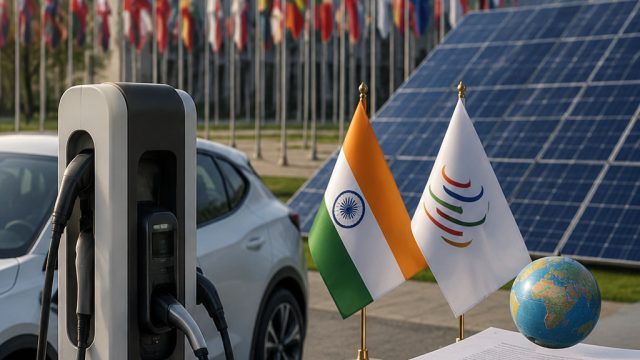
In a significant development for the renewable energy sector, the World Trade Organization (WTO) has officially established a panel to examine India's solar incentives and import tariffs following a complaint lodged by China. This review is crucial not only for India but also for the broader context of international trade and renewable energy policies.
Understanding the WTO's Role in Trade Disputes
The WTO plays a fundamental role in regulating and facilitating international trade. Its dispute settlement mechanisms are designed to ensure that member countries adhere to agreed-upon rules and regulations. The current case against India highlights a growing tension in the solar energy market, as countries vie for dominance in renewable technologies.
Background of the Complaint
China's complaint stems from India's policies aimed at boosting local solar manufacturing through various incentives and tariffs. These measures are intended to reduce dependence on foreign imports and enhance domestic production capabilities. However, such policies have raised concerns about potential violations of international trade agreements, particularly regarding fair competition.
Implications for India's Solar Industry
The outcome of this review could have far-reaching implications for India's solar industry:
- Impact on Domestic Manufacturers: If the panel rules against India's incentives, it could lead to a wave of foreign solar equipment coming into the market, potentially undermining local producers.
- Investment Climate: Uncertainty surrounding the validity of India’s incentives could deter foreign investment in the renewable sector, which is essential for the country’s energy transition.
- Global Trade Relations: The dispute may strain India’s trade relationship with China, a leading player in solar technology, and could spark retaliatory measures that affect various sectors.
The Importance of Renewable Energy in Current Times
As the world grapples with the effects of climate change, the urgency for transitioning to renewable energy sources has never been more pronounced. Countries are racing to innovate and implement sustainable energy solutions, making the governance of trade in these technologies critically important.
March Madness in Renewable Energy Policies
The term 'March Madness' might typically evoke thoughts of basketball, but in the realm of energy policy, it signifies a period of intense competition and rapid changes. Countries are looking to outdo each other with advancements in renewable technologies, and trade disputes can hinder progress.
China’s Position in the Solar Market
China dominates the global solar panel market, accounting for a significant share of manufacturing and export. Its competitive advantage stems from lower production costs and technological advancements. As such, any limitations imposed on Chinese imports into India could catalyze a series of retaliatory actions that may alter global supply chains.
Looking Ahead: The Future of Solar Trade
As the WTO panel begins its review, all eyes will be on the developments unfolding over the coming months. The implications for India's solar policies, as well as for global trade practices, are vast:
- Potential Policy Changes: Depending on the panel's findings, India may need to revise its solar incentives to comply with international trade regulations.
- Increased Awareness: The case underscores the need for all countries to carefully consider the implications of their domestic policies on international trade.
- Future Trade Agreements: Outcomes from this dispute might influence future trade negotiations and agreements, particularly in the renewable energy sector.
Conclusion
The establishment of a WTO panel to assess India's solar incentives marks a pivotal moment in the global renewable energy landscape. As countries continue to innovate and push towards sustainability, the interplay of trade policies and domestic incentives will be crucial in shaping the future of energy. Stakeholders across the spectrum—from manufacturers to policymakers—must remain vigilant and adaptable to navigate this evolving landscape.
