

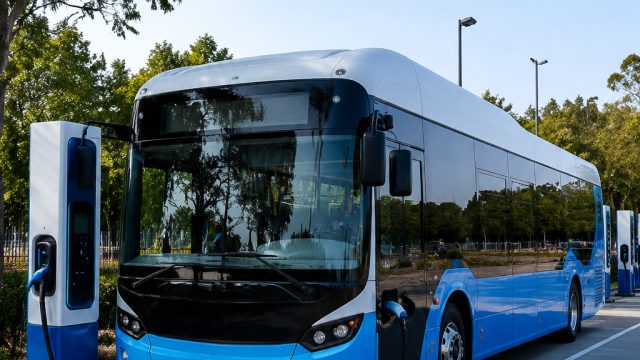
The New South Wales (NSW) government has announced a groundbreaking investment of $6.5 billion aimed at significantly expanding its electric bus fleet and enhancing charging infrastructure. This initiative marks a pivotal moment in the transition towards sustainable public transportation, aligning with global trends and local demands for cleaner, greener transit options.
Why This Investment Matters Now
As cities across the globe grapple with the impacts of climate change and air pollution, the shift towards electric vehicles (EVs) has never been more urgent. With public health and environmental sustainability at stake, the NSW government's commitment to electrifying its bus fleet reflects an understanding of these pressing challenges. This initiative is expected to play a crucial role in reducing carbon emissions and improving air quality in urban areas.
Key Components of the Initiative
- Fleet Expansion: The plan involves the acquisition of thousands of new electric buses, which will gradually replace conventional diesel models.
- Enhanced Charging Infrastructure: Significant investments will be made to establish a comprehensive network of charging stations throughout the state.
- Job Creation: The initiative is projected to generate thousands of jobs in manufacturing, maintenance, and infrastructure development.
- Community Engagement: Local communities will be consulted to ensure that the transition meets the needs of residents and businesses.
Impact on Public Transportation
The move towards an electric bus fleet is expected to revolutionize public transportation in NSW. With lower operational costs and reduced environmental impact, electric buses offer numerous advantages over traditional vehicles. Moreover, this transition is poised to enhance the overall travel experience for commuters.
Operational Benefits of Electric Buses
- Cost Efficiency: Electric buses have lower fuel and maintenance costs compared to diesel counterparts.
- Noise Reduction: These vehicles operate much more quietly, contributing to a decrease in urban noise pollution.
- Health Benefits: By reducing emissions, electric buses can significantly improve air quality, leading to better public health outcomes.
A Step Towards a Sustainable Future
This investment aligns with NSW's broader environmental goals and the global push for sustainability. By committing to an electric bus fleet, the state is not only addressing current environmental issues but also setting the stage for future innovations in transportation.
Supporting Infrastructure Development
For the successful deployment of electric buses, robust charging infrastructure is essential. The government plans to invest heavily in the necessary facilities to support these vehicles. This includes:
- Installation of charging stations in key transit hubs.
- Investment in fast-charging technologies to minimize downtime for buses.
- Collaboration with private sector partners to leverage expertise and technology.
Conclusion: Embracing Change
The NSW government's $6.5 billion investment in electric bus expansion and charging infrastructure represents a significant leap towards sustainable public transportation. This initiative not only reflects a commitment to environmental stewardship but also showcases an adaptable approach to modern transit challenges. As electrification of the bus fleet progresses, it will enhance the quality of life for residents, create jobs, and contribute to a cleaner, healthier future.
Now is the time for communities to support these initiatives and engage in the transformation of urban transit. The positive impacts of such a shift can be seen in cleaner air, reduced traffic noise, and a commitment to a sustainable future for all.
