

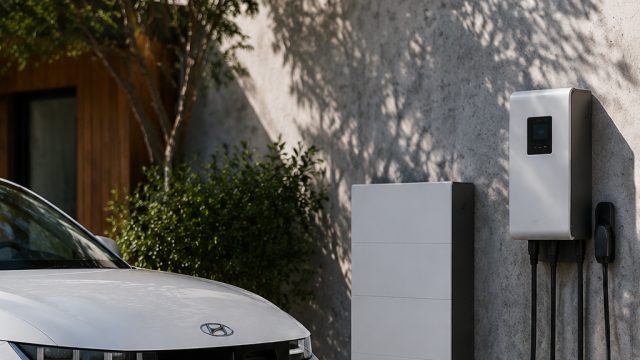
Hyundai Accelerates V2G Technology in Australia: A Major Milestone Achieved
In recent developments, Hyundai has made significant strides in deploying vehicle-to-grid (V2G) technology in Australia. This innovative approach not only promises to enhance energy distribution but also represents a transformative step for electric vehicle (EV) integration into the broader energy landscape. As concerns about climate change and energy sustainability rise, the timing of this advancement could not be more critical.
Understanding V2G Technology
Vehicle-to-grid technology allows electric vehicles to interact with the power grid, enabling them to send surplus energy back to the grid when not in use. This symbiotic relationship not only enhances energy efficiency but also supports grid stability. With more EVs on the road, V2G can play a crucial role in managing energy demand and integrating renewable energy sources.
How V2G Works
- Energy Exchange: EV batteries can discharge electricity back into the grid.
- Grid Support: Helps balance energy supply and demand during peak times.
- Financial Incentives: Owners can benefit financially by supplying energy back to the grid.
Hyundai's Recent Breakthroughs
Hyundai's recent testing of its V2G systems has yielded promising results, showcasing their compatibility with new energy standards. The company's commitment to innovation in this area positions it as a leader in the electric vehicle market. The recent successful tests confirm that Hyundai's V2G technology can effectively support grid operations, paving the way for widespread adoption across Australia.
Key Achievements in Testing
- Successful integration with existing grid infrastructure.
- Compliance with updated energy regulation standards.
- Demonstrated ability to manage energy flow efficiently.
Why This Matters Now
The urgency of transitioning to sustainable energy solutions has never been more pressing. As Australia aims to reduce its carbon footprint, Hyundai's advancements in V2G technology align perfectly with national and global goals for cleaner energy. This initiative not only enhances the viability of electric vehicles but also supports efforts toward achieving energy independence.
Environmental Impact
By facilitating the integration of renewable energy sources, V2G technology can significantly decrease reliance on fossil fuels. As EVs become more prevalent, the potential for a cleaner, more sustainable energy ecosystem grows. Furthermore, the environmental benefits are substantial, as this technology helps reduce greenhouse gas emissions.
Future Prospects for V2G in Australia
With Hyundai leading the charge, the future of V2G technology in Australia looks promising. The company plans to expand its testing and implementation processes, which could ultimately transform how energy is consumed and generated. This proactive approach not only enhances Hyundai's market position but also sets a precedent for other automakers.
Expected Developments
- Expanded partnerships with local energy providers.
- Increased consumer education regarding V2G benefits.
- Potential for government incentives to support V2G adoption.
Conclusion
Hyundai's advancements in V2G technology represent a significant leap forward for the electric vehicle industry and energy management in Australia. As the world increasingly seeks sustainable solutions, these developments underscore the importance of innovation in achieving energy efficiency and environmental protection. With the ongoing support of consumers, regulators, and energy companies, V2G technology may well become a cornerstone of a sustainable energy future.
