

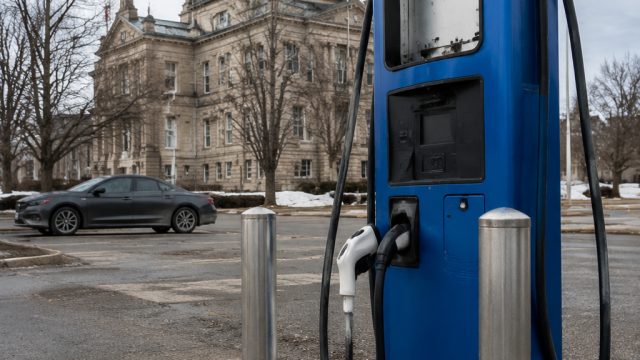
In a significant move, Westmoreland County has decided to terminate its contract for the establishment of electric vehicle (EV) charging stations across the region. This decision, stemming from a myriad of factors, highlights the evolving landscape of EV infrastructure and its importance in today’s transportation ecosystem.
Understanding the Decision
The pivot away from the planned EV charging stations comes as local officials evaluate the demand for such infrastructure versus the associated costs and logistical hurdles. A recent assessment revealed that community interest and usage rates were not as promising as initially anticipated.
Cost vs. Demand
- Initial projections showed a high potential for EV adoption.
- Recent studies indicate that the actual growth in electric vehicle registrations is slower than expected.
- Funding for installation and maintenance posed further challenges.
County officials noted that while the push for sustainable transport remains, the immediate benefits of establishing these charging stations did not align with their financial viability. This decision reflects a broader trend as local governments reassess their investment strategies in EV infrastructure amidst changing market dynamics.
The Broader Impact on EV Infrastructure
The withdrawal from the EV charging project brings attention to the potential implications for future infrastructure projects within Westmoreland County. Such decisions are critical as they set precedents for other municipalities considering similar ventures.
Potential Outcomes
- Reallocation of funds to more pressing infrastructure needs.
- Encouragement for private sector investment in EV charging solutions.
- Opportunity for local businesses to develop alternative energy solutions.
As local leaders weigh their options, the emphasis on practical and achievable infrastructure investments is becoming increasingly apparent. The trend suggests that while the environmental benefits of electric vehicles are acknowledged, the economic framework surrounding their infrastructure must be sustainable in the long run.
Shifting Perspectives on Electric Vehicles
Despite the halt in charging station development, the overall narrative around electric vehicles is transforming. The market for electric vehicles is increasing steadily, pushing manufacturers to produce more affordable and efficient models. Consumer interest remains strong, indicating that while one county may disengage, interest in electric mobility continues to thrive.
Key Factors Influencing EV Adoption
- Advancements in battery technology reducing costs.
- Government incentives promoting electric vehicle purchases.
- Growing environmental awareness among consumers.
Westmoreland County's experience serves as a reminder that the transition to electric mobility is complex and multifaceted. While some regions may pause their initiatives, the overall trend towards sustainable transport remains intact, driven by technological advancements and changing consumer behavior.
Conclusion: A Call for Strategic Planning
In conclusion, Westmoreland County's decision to withdraw from its EV charging station contract signifies a recalibration in how municipalities approach electric vehicle infrastructure. As the demand for electric vehicles continues to rise, local governments must strategize effectively to align their infrastructure investments with realistic market conditions and community needs. The future of EV infrastructure in this region and beyond depends on a balanced approach that considers both sustainability and economic viability.
