

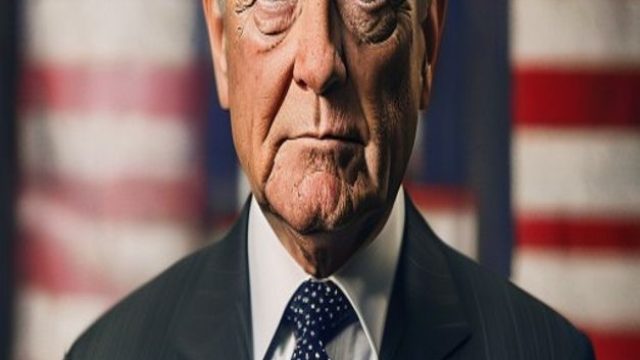
This week, U.S. Senator Chris Murphy raised eyebrows with pointed accusations against former President Donald Trump, claiming that his administration was marred by '500 days of corruption.' As a long-serving political figure, Murphy's assertions carry weight, urging constituents and officials alike to reconsider the standards of accountability expected from their leaders.
The Long Tenure of Senator Murphy
Senator Murphy has been a fixture in Connecticut politics since 1999. His journey began in the Connecticut House of Representatives, followed by his tenure in the State Senate, and eventually leading to the U.S. House of Representatives in 2006. Murphy's steady ascent to the U.S. Senate, where he has been reelected multiple times, reflects his enduring influence in the political landscape.
Background and Political Landscape
Murphy first claimed a seat in the U.S. Senate in 2012, and his consistent victories—each time securing around 60 percent of the vote—illustrate a strong public backing. His latest remarks come at a time when citizens demand transparency and honesty from their elected officials. This renewed scrutiny is critical as the nation navigates complex political dynamics.
Details of the Accusations
During a recent address, Murphy did not hold back in expressing his views on the corruption he believes permeated the Trump administration. He emphasized that such behavior undermines the integrity of public office and erodes trust among constituents. Here are some key points from his speech:
- Claims of abuse of power within the White House.
- Concerns over transparency and accountability in governance.
- The impact of these actions on public trust.
Why Accountability Matters Now More Than Ever
In today's political climate, the conversation around accountability is crucial. With increasing public disillusionment regarding the integrity of political leaders, Murphy's statements resonate strongly. It is essential for citizens to demand higher standards from their representatives to foster a more trustworthy government.
Public Reaction and Implications
As expected, Murphy's accusations have sparked diverse reactions from the public and political analysts. Many citizens echo his concerns, demanding investigations and reforms to ensure that public servants are held accountable for their actions. The implications of these discussions extend beyond mere politics, impacting how citizens view the effectiveness of their democracy.
Calls for Reform
Murphy's critique serves to galvanize discussions on potential reforms aimed at increasing government transparency. Here are some suggested areas for reform:
- Establishing independent oversight committees.
- Implementing stricter lobbying regulations.
- Enhancing public access to government records.
Conclusion: The Need for Vigilance
Senator Murphy's recent claims about corruption within the Trump administration highlight a pressing need for accountability in government. As citizens, it is our responsibility to remain vigilant and advocate for transparency from our elected officials. Only through persistent scrutiny can we hope to foster an environment where integrity prevails in politics.
As we move forward, discussions surrounding accountability in politics will continue to shape the future of governance. Engaging in dialogue and supporting reforms is vital as we collectively strive for a political system that prioritizes trust and integrity.
