

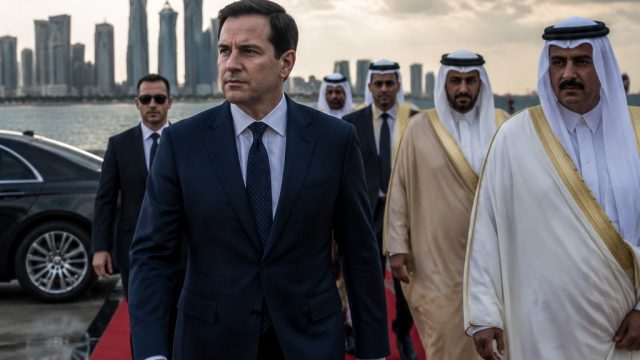
As tensions escalate in the Middle East, Senator Marco Rubio's recent tour of Gulf nations has taken center stage. With the backdrop of ongoing discussions surrounding the controversial Iran nuclear deal, Rubio aims to reassure key allies about U.S. commitments in the region. This diplomatic mission highlights the delicate balance of power and the urgent need for stability among Gulf states.
The Context of Rubio's Mission
In an era where geopolitical dynamics are shifting rapidly, Rubio's diplomatic efforts come at a critical time. The Iranian nuclear deal has faced intense scrutiny not just from U.S. lawmakers but also from countries directly impacted, such as Israel and Saudi Arabia. The senator's visit underscores the U.S. commitment to its Gulf partners amid fears that a renewed deal with Iran could embolden its regional ambitions.
Understanding the Iran Deal
The Iran deal, formally known as the Joint Comprehensive Plan of Action (JCPOA), was designed to limit Iran’s nuclear capabilities in exchange for sanctions relief. However, the evolving political landscape and Iran's continued assertiveness in the region have caused many to question the efficacy of the agreement. Rubio's role in advocating for a strict interpretation of U.S. policy aims to address these concerns.
Rubio's Reassurances
- Senator Rubio emphasizes U.S. backing for Gulf states in the face of Iranian threats.
- He assures leaders of continued military support against potential aggressions.
- Rubio discusses strategies for regional cooperation to counterbalance Iran's influence.
The Role of Israel in Gulf Dynamics
Israel's position remains a crucial factor in the geopolitical landscape of the Middle East. The nation has urged for a more proactive approach to counter Iran, which has resulted in calls for increased military presence in disputed regions like southern Lebanon. Rubio's discussions with regional leaders are likely to focus on aligning U.S. and Israeli interests to forge a united front against common threats.
Israel's Concerns
Recent developments have heightened Israel's concerns regarding Iranian activities, particularly:
- Iran's military support for proxy groups in Lebanon.
- Increased missile capabilities that threaten both Israel and U.S. allies.
- The potential for a nuclear Iran and its implications for regional security.
Gulf Perspectives
Gulf Arab nations are watching closely. They are wary of any agreement that could grant Iran additional leverage. Rubio's visit serves as a platform for these nations to express their apprehensions and seek reassurances from Washington.
The Broader Implications of Rubio's Tour
The outcome of Rubio's discussions in the Gulf could have far-reaching consequences for U.S. foreign policy and Middle Eastern stability. As the dynamics among Israel, Iran, and Gulf states evolve, the U.S. must navigate these waters carefully to maintain its influence.
The Future of U.S.-Gulf Relations
- Potential for enhanced military cooperation in the region.
- Opportunities for economic partnerships amidst rising tensions.
- The need for a unified regional approach to security threats.
Engaging with Allies
As Rubio engages with Gulf allies, the focus will be on building trust and ensuring that all parties are on the same page regarding their collective security strategies. The risks are high, and miscommunications could lead to heightened tensions or conflict.
Conclusion
Senator Marco Rubio's diplomatic tour of the Gulf is not just a routine visit; it’s a decisive moment for U.S. engagement in a region fraught with complexity. As geopolitical tensions rise, the balance of power hangs in the balance, making this an essential topic for stakeholders in international relations. For those invested in the future of Gulf stability, the outcomes of Rubio's discussions could shape the region for years to come.
