

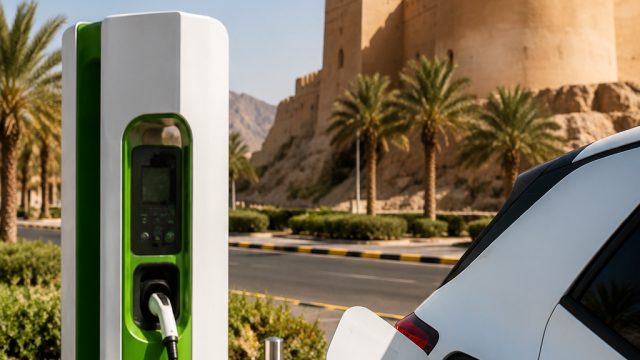
Oman is witnessing a pivotal shift towards electric mobility, with its electric vehicle (EV) count surpassing 5,900. In tandem with this growth, the government has announced an ambitious plan to double the country’s EV charging infrastructure by 2027. This initiative aims to enhance the accessibility of charging stations, encouraging more citizens to consider electric vehicles as a viable transportation option.
The Current Landscape of EVs in Oman
As of now, Oman’s adoption of electric vehicles is steadily increasing, with the number of EVs on the road reflecting a growing awareness and willingness among the populace to embrace sustainable transportation solutions. The rise in EV numbers is attributed to several factors, including government incentives, a commitment to reducing carbon emissions, and an increased focus on sustainable living.
Government Initiatives Driving EV Growth
- Subsidies for Electric Vehicles: The Omani government has introduced various financial incentives to make EVs more affordable for consumers.
- Public Awareness Campaigns: Educational initiatives aimed at promoting the benefits of electric vehicles are widely implemented.
- Investment in Charging Infrastructure: Significant funding is being allocated to develop a comprehensive network of charging stations.
Doubling the Charging Network: Why It Matters Now
The planned expansion of charging stations is not just a response to the increasing number of electric vehicles; it is essential for fostering a robust electric vehicle ecosystem. The Omani government’s vision aligns with global trends where countries are ramping up efforts to reduce fossil fuel dependency and promote cleaner alternatives.
Meeting Future Demand
As electric vehicle sales continue to soar, it is crucial for Oman's charging infrastructure to keep pace. The government’s initiative to double charging stations by 2027 anticipates this demand, ensuring that drivers have convenient access to charging points across the nation.
Environmental Benefits
- Reduction in Carbon Footprint: Increased EV usage contributes to lower emissions, playing a vital role in combating climate change.
- Promotion of Renewable Energy: EV charging can be integrated with renewable energy sources, further enhancing sustainability.
Challenges Ahead
While the prospects for EV growth in Oman are bright, several challenges remain to be addressed:
- Infrastructure Development: Ensuring the timely construction of charging stations to meet projected needs.
- Public Perception: Overcoming misconceptions regarding electric vehicles and their performance.
- Technological Advancements: Keeping pace with rapid advancements in EV technology and charging solutions.
Conclusion: A Sustainable Future Awaits
Oman’s commitment to doubling its EV charging network by 2027 is a crucial step towards creating a sustainable transportation ecosystem. As electric vehicles become more prevalent, the expansion of charging infrastructure will facilitate their adoption and ultimately contribute to a greener future. For businesses like Ravesto, engaging in this growing market presents new opportunities to innovate and provide essential products that support this transformation.
