

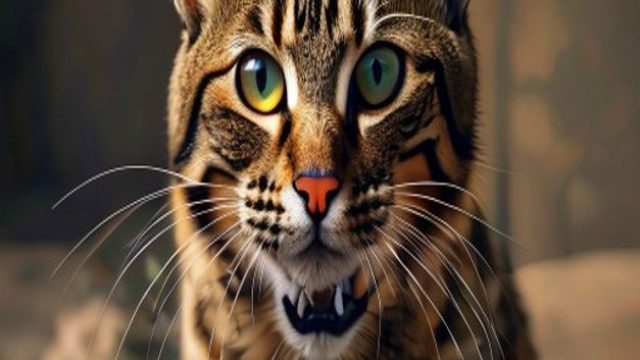
In a surprising turn of events, a YouTube video has become the unexpected source of evidence proving the existence of the elusive sand cat in Libya. Wildlife enthusiasts and researchers alike have long debated whether this rare feline, known for its adaptability to harsh desert environments, truly exists in the region. This revelation comes at a crucial time, as awareness of desert wildlife conservation grows globally.
The Sand Cat: A Brief Overview
The sand cat, scientifically referred to as Felis margarita, is a small wild cat that inhabits arid regions across North Africa and parts of Asia. Unlike its more common counterparts, the sand cat has special adaptations that enable it to thrive in extreme desert conditions. With its unique yellowish coat and tufted ears, this creature is both fascinating and pivotal to its ecosystem.
Physical Characteristics
- Size: Typically weighs between 1.5 to 3.5 kg.
- Color: A sandy coat that provides excellent camouflage.
- Behavior: Nocturnal by nature, it hunts primarily at night.
YouTube: A Platform for Conservation Awareness
The viral video that sparked this discovery features a local wildlife enthusiast documenting their encounter with the sand cat in Libya. The footage showcases the cat's habitat and its fascinating behaviors. This evidence emphasizes the power of social media in raising awareness for wildlife conservation efforts.
The Importance of Digital Platforms
In today's digital age, platforms like YouTube serve as critical tools for wildlife education:
- Access to Information: Videos can reach a vast audience, educating viewers about various species.
- Encouraging Conservation Efforts: Highlighting endangered species can lead to increased funding and support for conservation projects.
- Community Engagement: Online discussions can foster a sense of responsibility towards wildlife protection.
The Timing of This Discovery
As the world faces significant environmental challenges, understanding and protecting elusive species like the sand cat is more critical than ever. Habitat loss, climate change, and poaching are relentless threats that need addressing. The recent finding of the sand cat adds urgency to ongoing conservation initiatives.
Why This Matters Now
This incident resonates beyond just an interesting wildlife story. It reflects a growing trend where social media is intertwining with environmental activism. Here are a few reasons why this discovery matters:
- Raising Awareness: Highlighting the sand cat can bring attention to wider conservation needs.
- Supporting Biodiversity: Each species plays a vital role in their ecosystem, and protecting them is crucial for ecological balance.
- Motivating Future Research: The discovery invites further studies that can enrich our understanding of desert ecosystems.
Conclusion
The discovery of the Libya sand cat through a YouTube video exemplifies the unexpected intersections of technology and wildlife conservation. As more individuals engage with nature digitally, the ripple effect can lead to tangible conservation efforts. This instance inspires not only a renewed interest in the sand cat but also in the broader implications of preserving our planet's biodiversity. It is a reminder that every detail, no matter how small, contributes to the greater narrative of our natural world.
