

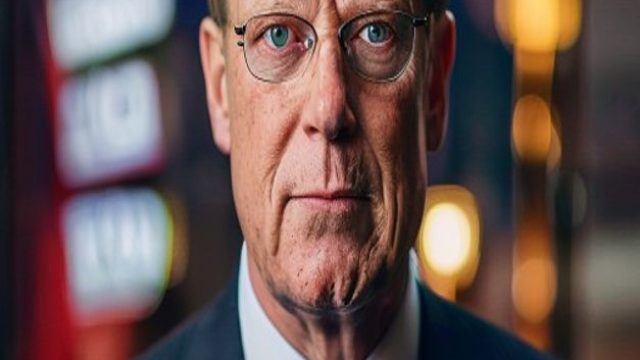
In a significant political moment, Keir Starmer took the stage for his first Prime Minister's Questions (PMQs) since announcing his resignation. This session not only served as an opportunity for Starmer to reflect on his tenure but also as a platform to emphasize his perspective on the current state of the Labour Party and the country.
The Context of Starmer's Resignation
Starmer's recent resignation comes amidst a backdrop of intensifying scrutiny and shifting political dynamics in the UK. As the Labour Party grapples with internal challenges, many observers are keenly interested in how Starmer's leadership has influenced the party's direction. His decision to step back has left both supporters and critics speculating about the future leadership landscape.
Turning Challenges into Opportunities
During the session, Starmer defended his accomplishments, underscoring that he has successfully turned around the Labour Party's image. He articulated that under his guidance, the party has made strides in restoring public trust and credibility, which had been eroded in previous years.
- Starmer highlighted key reforms that have positively impacted the party's outreach.
- He emphasized a renewed focus on community engagement and grassroots activism.
- Starmer pointed out the importance of policy innovation to align with public needs.
Addressing Criticism from Opposition
Starmer faced pointed questions from Kemi Badenoch, representing the Conservative Party, who challenged his record. His responses were not merely defensive; they were assertive, aimed at dismantling the narrative that his leadership lacked effectiveness. Starmer stated, "I am passing on a country in better shape than I found it," a claim designed to resonate with citizens who have felt the strain of political turbulence.
Key Points of Debate
In the back-and-forth with Badenoch, several crucial points emerged:
- Economic Recovery: Starmer pointed to the gradual improvement in economic indicators as evidence of effective governance.
- Public Services: He argued that the Labour Party has made significant investments in health and education, setting a precedent for future governments.
- Climate Initiatives: Starmer reiterated the importance of progressive environmental policies in addressing current global crises.
Looking Forward: The Future of the Labour Party
As the session concluded, it became clear that Starmer's vision for the Labour Party isn't merely reactionary; it is future-oriented. He laid out a roadmap for what he believes should be the party's priorities moving forward. This includes fostering unity within the party while simultaneously reaching out to disillusioned voters.
Strategic Initiatives to Consider
Starmer's proposed initiatives focused on:
- Enhancing communication with the electorate to build a stronger relationship with constituents.
- Implementing innovative policy measures that address the pressing issues of the day, such as healthcare reform and economic stability.
- Creating coalitions with other parties to strengthen the Labour Party’s position in Parliament.
Conclusion: A New Chapter for Labour
Keir Starmer's first PMQs since his resignation marked a pivotal moment in his political journey. By defending his record and outlining a future vision for the Labour Party, he not only addressed immediate concerns but also reassured party members and the public of his commitment to progress. As political landscapes continue to evolve, the strategies employed by Starmer could be crucial in shaping the future of the Labour Party and its role in UK politics.
