

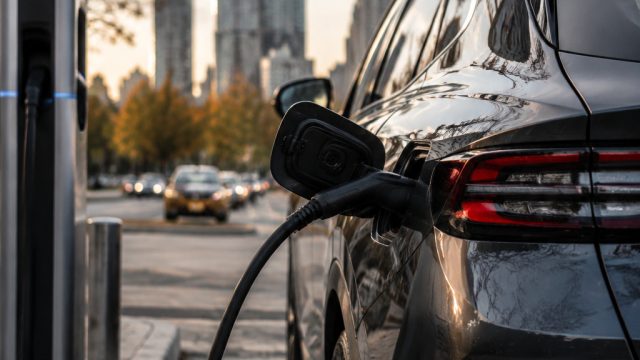
The electric vehicle (EV) market is expanding at an unprecedented rate, as advancements in technology make these eco-friendly cars more accessible. However, there's a growing concern surrounding the increasing weight of these vehicles and its implications for consumers. This article delves into the significance of EV weight today, exploring how it affects performance, charging infrastructure, and overall driving costs for consumers.
The Weight Issue: Understanding the Basics
Electric vehicles are generally heavier than their gasoline counterparts due to their large battery packs. For instance, a standard electric sedan can weigh significantly more than a similar internal combustion engine (ICE) vehicle. This additional weight can lead to various challenges, particularly concerning efficiency, range, and road safety.
Why Are EVs Heavier?
- Battery Technology: The large lithium-ion batteries that power EVs contribute significantly to their weight. These batteries are essential for enabling extended range but also add considerable mass.
- Structural Reinforcement: To accommodate the battery systems and provide safety during crashes, manufacturers often reinforce the vehicle structure, further increasing weight.
- Additional Features: Many EVs come equipped with advanced technology and comfort features, which can add extra weight.
The Financial Implications of Increased Weight
With heavier vehicles comes higher operational costs, which can affect drivers not just at the time of purchase but throughout the vehicle’s lifespan. Here’s how EV weight can translate to higher costs:
Increased Charging Requirements
Due to their heavier weight, EVs require more energy to operate efficiently. This can lead to:
- Longer Charging Times: More energy consumption means it can take longer to charge EVs, potentially reducing convenience for drivers.
- Higher Infrastructure Costs: Charging stations may need to be upgraded to accommodate the energy demands of heavier EVs.
- Battery Wear-and-Tear: The additional strain on batteries may lead to more frequent replacements, increasing overall maintenance costs.
Impact on Insurance and Registration Fees
As vehicle weight increases, some states are considering adjusting registration fees for heavier EVs. This could mean higher costs for consumers who are already investing in cleaner transportation options.
The Role of Regulations and Industry Response
The automotive industry and regulatory bodies are aware of these challenges and are beginning to take action. Here are some notable trends:
Regulatory Changes
Various states are exploring policies that encourage manufacturers to consider weight in vehicle design and pricing. These regulations aim to promote EVs that are lighter and more efficient, thus saving costs for drivers.
Innovative Solutions from Automakers
In response to the weight dilemma, several car manufacturers are investing in research to create lighter materials and more efficient battery systems. This includes:
- Advanced Materials: Using lighter materials like carbon fiber and aluminum to reduce overall vehicle weight.
- Battery Efficiency: Developing next-generation batteries that provide the same energy capacity with less weight.
- Hybrid Models: Introducing hybrid vehicles that can take advantage of both electric and traditional powertrains to optimize performance without excessive weight.
Conclusion: The Future of EV Weight Management
The weight of electric vehicles presents both challenges and opportunities for the automotive industry and consumers alike. As manufacturers innovate and regulations evolve, the hope is to strike a balance that allows for sustainable, efficient, and cost-effective electric vehicles. Understanding these dynamics is crucial for consumers as they navigate their options in the rapidly changing landscape of electric mobility. By staying informed and engaged, drivers can make educated choices and advocate for advancements that will benefit both their wallets and the environment.
