

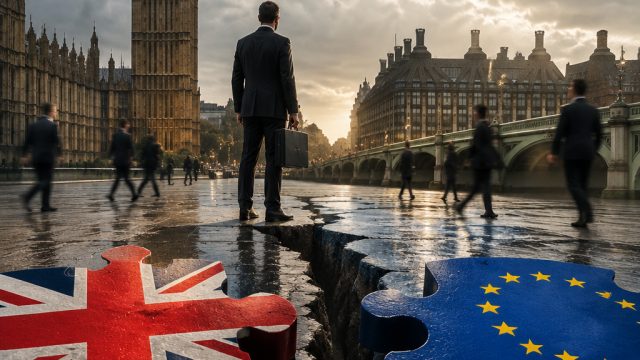
The Ten-Year Impact of Brexit on the UK's Economic Landscape
As we mark a decade since the United Kingdom's momentous decision to leave the European Union, analysts are reflecting on the profound effects this move has had on the nation’s economy. The implications of Brexit continue to reverberate through various sectors, shaping the UK's growth trajectory in unexpected ways.
The Changing Economic Landscape Post-Brexit
Ten years have passed since the Brexit vote, and the UK finds itself navigating a complex economic landscape. The decision to exit the EU has led to a series of challenges, including changes in trade dynamics, labor shortages, and shifts in foreign investment. Many businesses are still feeling the aftershocks of this historic move.
Trade and Investment Challenges
- Declining Trade Volumes: The transition out of the EU has resulted in decreased trade volumes, particularly with European partners, which have historically been the UK’s largest trading bloc.
- Reduced Foreign Investment: Reports indicate a significant drop in foreign direct investment as companies reassess their strategies in the face of potential trade barriers.
- Supply Chain Disruptions: The new customs regulations have caused supply chain issues for sectors reliant on seamless trade with EU countries.
The Labor Market's New Reality
Another critical area affected by Brexit is the labor market. Many industries are grappling with labor shortages, which can be traced back to the restrictions placed on the hiring of EU nationals.
Impact on Key Sectors
- Healthcare: The NHS faces recruitment challenges as fewer healthcare professionals from Europe seek employment in the UK.
- Hospitality and Agriculture: These sectors are struggling to fill positions, which has contributed to rising wages and operational costs.
- Technology and Innovation: The tech industry is adapting by investing in local talent, but this transition takes time and resources.
Political Ramifications and Public Sentiment
Beyond economic metrics, Brexit has also had a considerable impact on the UK’s political landscape. The landscape has become increasingly polarized, with public sentiment about the decision evolving over the years.
Shifting Voter Perspectives
The initial euphoria surrounding Brexit has faded in some segments of the population, leading to growing discontent among those who feel the promised benefits have yet to materialize. Polls indicate a divided public opinion, with younger voters increasingly leaning towards rejoining the EU.
Political Stability in Question
The UK government has faced numerous challenges since the Brexit vote, from internal party disputes to external pressures from the EU. As political stability is crucial for economic recovery, the ongoing debates and negotiations continue to affect investor confidence.
Looking Ahead: What the Future Holds
As we move forward, it is essential to consider how the UK can adapt to this new reality. The government has emphasized the need for new trade agreements and fostering innovation in key sectors to stimulate growth.
Potential Opportunities
- Fostering Local Industries: By supporting local businesses and industries, the UK can create a more sustainable economy.
- Technology Advancement: Investing in technology and innovation can provide the impetus for new job creation and economic growth.
- Revising Immigration Policies: Addressing labor shortages through revised immigration policies could help alleviate some immediate pressures.
Conclusion
The impact of Brexit on the UK’s economy over the past decade has been significant, affecting trade, investment, and the labor market. As the nation continues to navigate this complex landscape, the key to future growth will lie in adapting to these changes. Embracing new opportunities while addressing ongoing challenges will be crucial as the UK seeks to redefine its position on the global stage.
